What Is a Template Website?
A template website is built using a pre-designed theme or layout that can be customized with content, images, and branding. Templates are commonly used in platforms such as WordPress, Squarespace, Shopify, and website builders.
Instead of designing every page from scratch, the template provides a starting structure that is adapted for the business.
Template websites typically include:
- Pre-designed page layouts
- Preset color and typography systems
- Standard navigation structures
- Theme-based functionality
Templates can be useful for smaller websites that need to launch quickly or operate with limited budgets.
What Is a Custom Website?
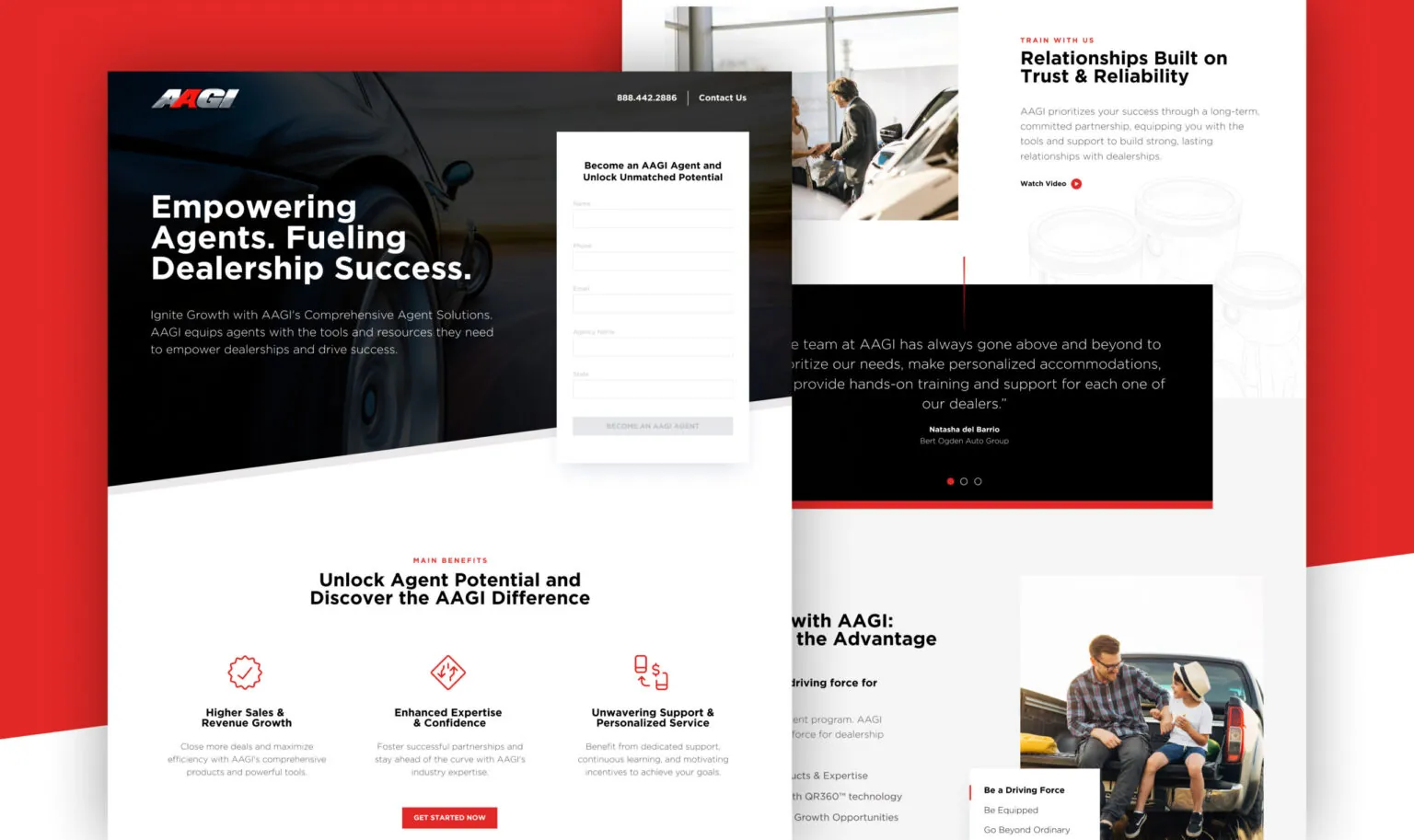
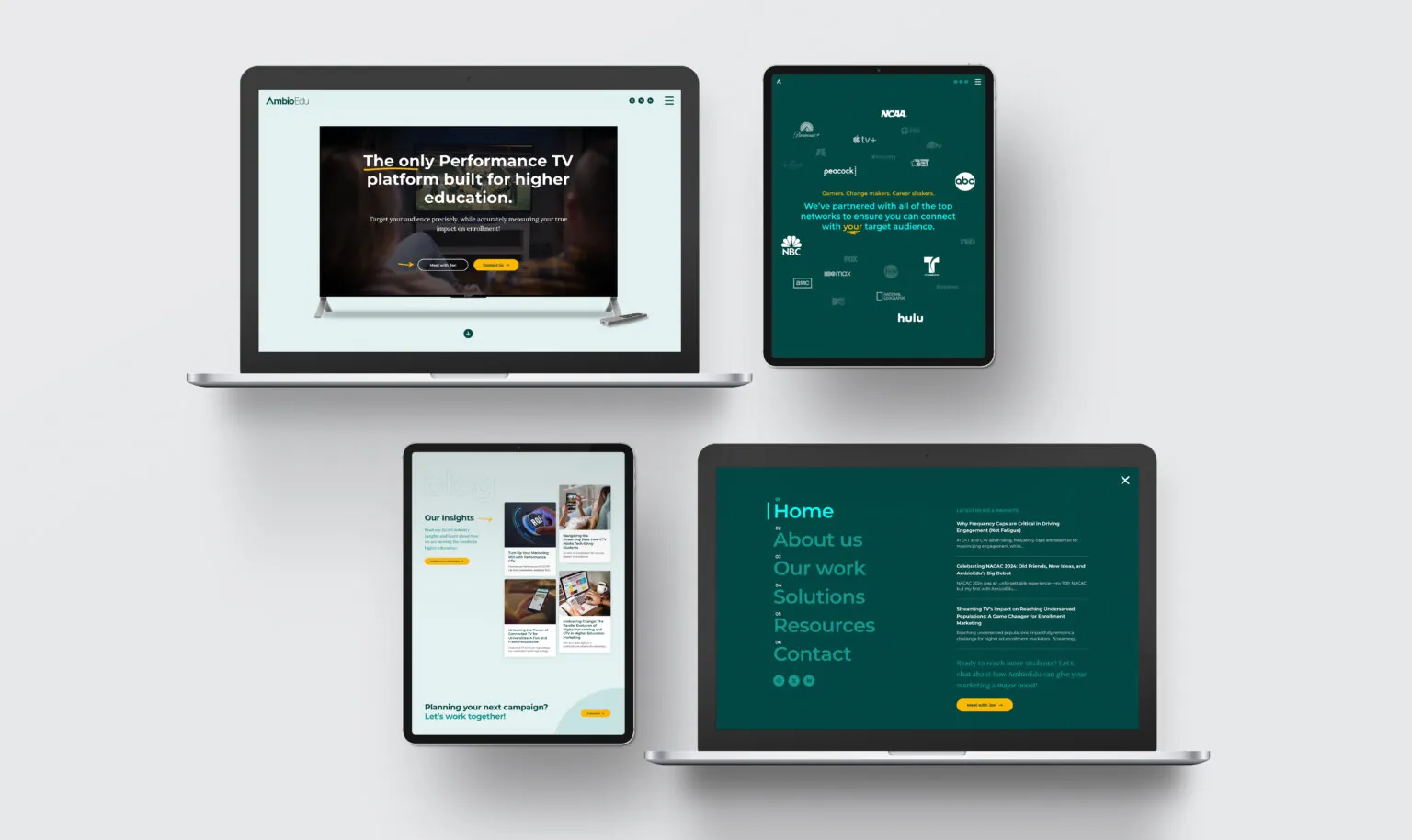
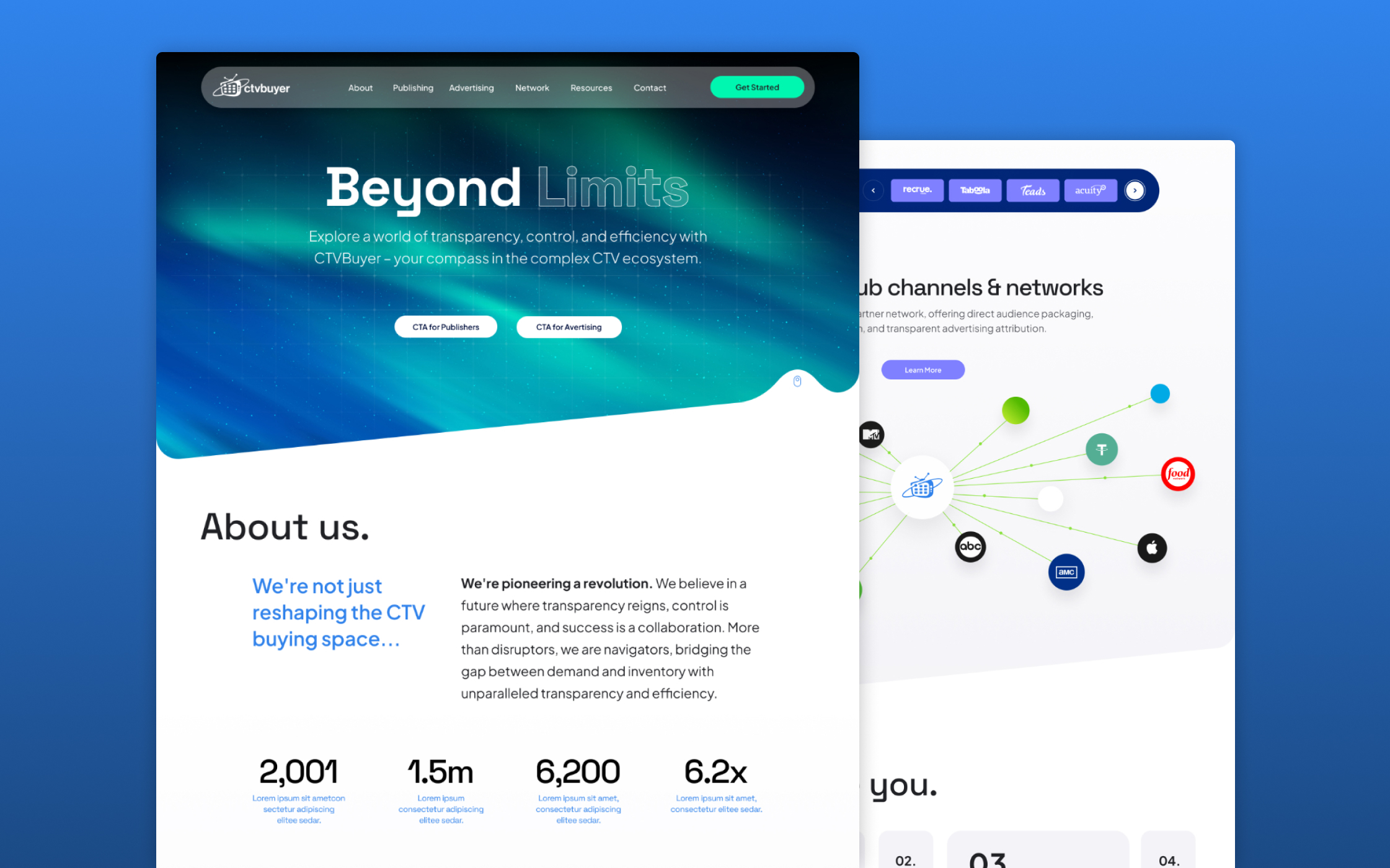
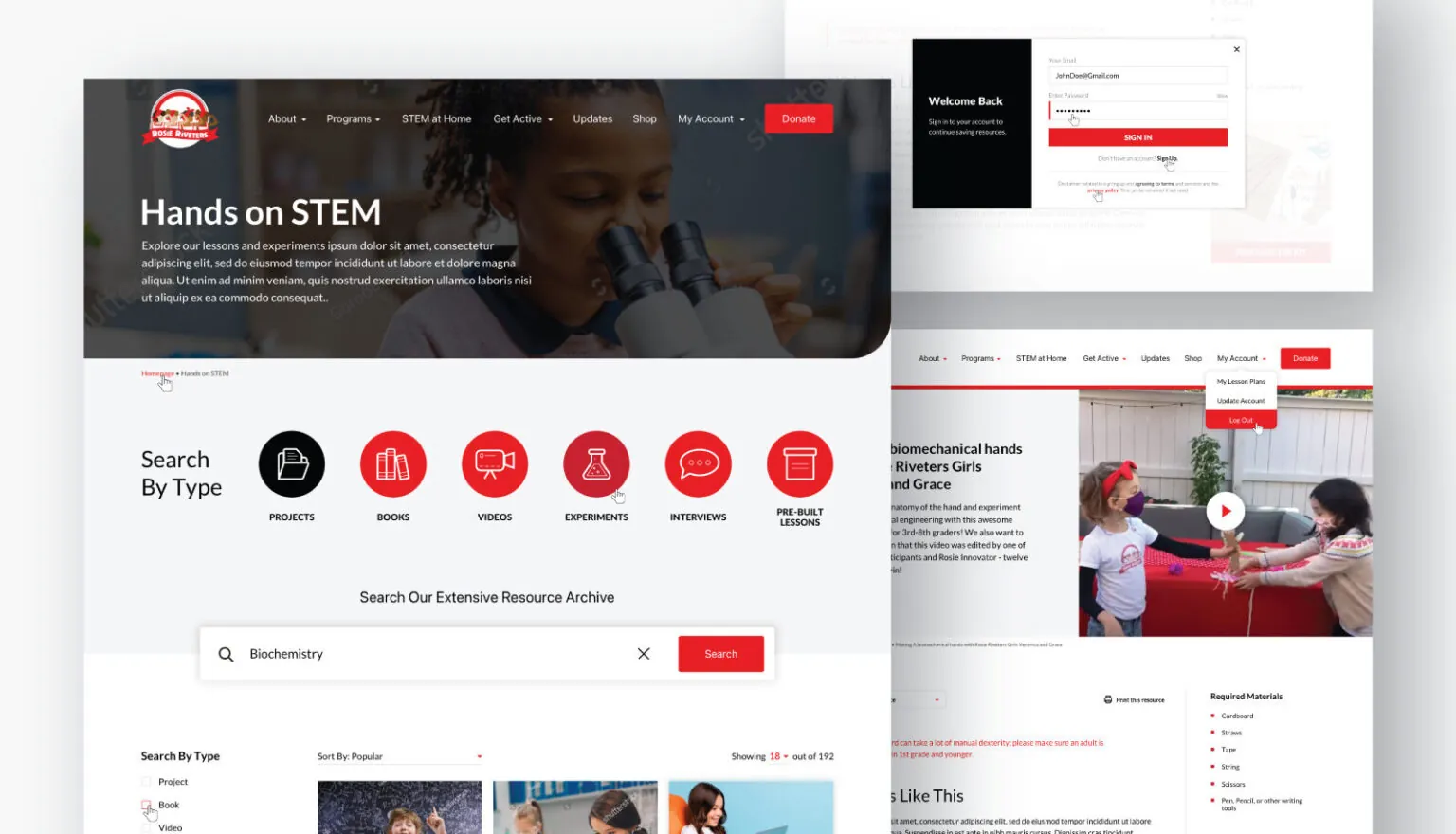
A custom website is designed and developed specifically for the business using a structured design and development process. Instead of adapting an existing theme, designers and developers create layouts, components, and architecture tailored to the organization’s goals and users.
Custom websites typically include:
- Custom UX strategy and wireframes
- Flexible page architecture
- Custom design systems
- Optimized CMS implementation
- Scalable content structure
Custom builds are often part of larger redesign initiatives like those described in our Website Redesign Guide.
Custom Website vs Template: Key Differences
| Feature |
Template Website |
Custom Website |
| Design flexibility |
Limited to theme structure |
Fully customized layouts |
| Brand differentiation |
Often similar to other websites |
Unique design aligned with brand |
| Scalability |
May become restrictive as site grows |
Designed to support expansion |
| Performance optimization |
Dependent on theme structure |
Optimized during development |
| Long-term flexibility |
Often limited by theme architecture |
Flexible architecture for growth |
How to Decide Between a Custom Website and a Template
The right choice depends on how important the website is to your marketing and growth strategy.
| If your situation looks like this… |
A template may work |
A custom website is usually better |
| Budget constraints |
Lower upfront investment |
Higher investment but stronger long-term value |
| Marketing complexity |
Simple informational website |
Marketing-driven website with landing pages |
| Brand differentiation |
Basic branding needs |
Unique visual identity and positioning |
| Future expansion |
Limited growth expected |
Content expansion and campaign growth |
| Integrations |
Minimal integrations required |
CRM, automation, or custom integrations |
This framework helps businesses evaluate whether a template provides enough flexibility or whether a custom website will better support long-term growth.
When a Template Website Makes Sense
Template websites can work well for certain situations.
- Startups launching their first website
- Small informational websites
- Businesses testing new services or markets
- Short-term marketing landing pages
In these scenarios, speed and affordability can be more important than long-term flexibility.
When a Custom Website Is the Better Choice
Businesses often invest in custom websites when their digital presence plays a major role in marketing, lead generation, or brand positioning.
Custom websites are typically the better choice when companies need:
- Clear brand differentiation
- Conversion-focused UX design
- Scalable page architecture
- Integration with marketing systems
- Performance optimization
Many organizations pursue custom builds during major redesign initiatives similar to the process outlined in our Website Redesign Checklist.
Real-World Website Scenarios
Many businesses begin with a template website and transition to a custom build as their marketing needs grow.
| Business Stage |
Typical Website Approach |
| Early startup |
Template website to launch quickly |
| Growing business |
Customized template with expanded pages |
| Established company |
Custom website with scalable architecture |
| Marketing-driven organization |
Custom website optimized for conversion and SEO |
As businesses grow, template limitations often become more noticeable, leading many companies to pursue custom redesigns.
Cost Differences Between Custom and Template Websites
Template websites typically cost less upfront because much of the design structure already exists. Custom websites require additional design, development, and planning work.
However, templates can require ongoing adjustments or redesigns as businesses expand their content and marketing strategies.
To better understand cost ranges, see our Website Redesign Cost guide.
SEO Considerations
Both template websites and custom websites can rank well in search engines, but custom development provides more control over site architecture and performance optimization.
Custom builds allow businesses to:
- Create scalable page templates
- Improve internal linking structures
- Optimize page performance
- Develop flexible content systems
These improvements can contribute to stronger long-term search visibility.
Performance and Speed
Website performance is influenced by how the site is built. Many template themes include large bundles of scripts and features that may not be necessary for a particular website.
Custom development allows teams to optimize performance by:
- Removing unnecessary scripts
- Optimizing media and assets
- Improving server performance
- Building efficient templates
These improvements support better user experience and conversion rates.
Custom WordPress Development
Many custom websites are built on WordPress because it provides flexibility for developers while remaining easy for businesses to manage.
WordPress supports custom UX design, scalable architecture, and strong SEO capabilities.
Learn more in our Custom WordPress Website Design guide.
Why Rawcut Creative
At Rawcut Creative, we design websites that support long-term growth rather than short-term fixes.
By combining UX strategy, custom design, and disciplined development, we help businesses create websites that perform, scale, and support their marketing goals.
If your business is considering transitioning from a template website to a custom build, our Website Redesign Services page explains how structured redesign projects typically work.