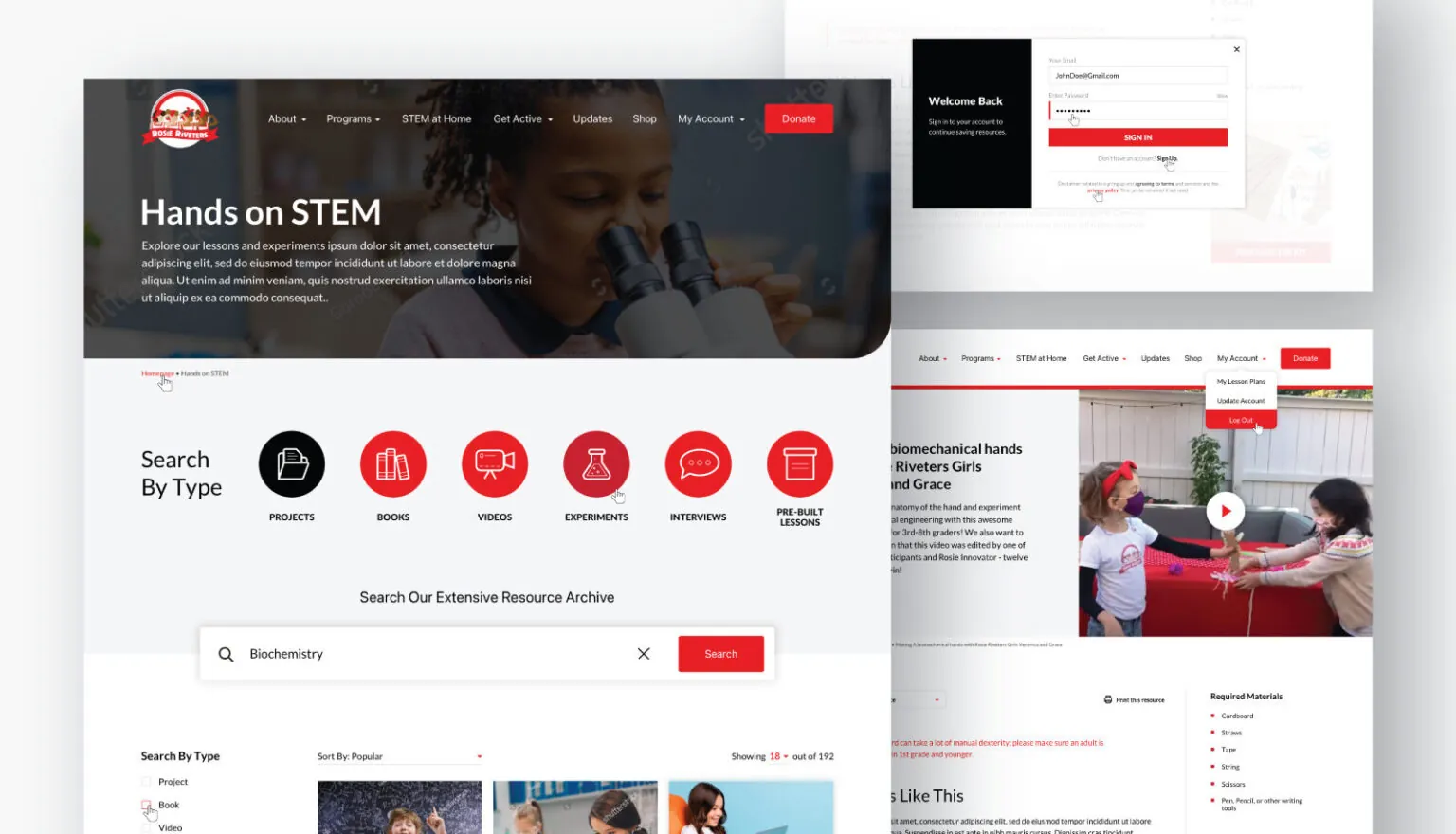
Why Process Matters in Houston
In Houston, your website is often evaluated by multiple stakeholders. Some users arrive ready to take action. Others need proof, detail, and reassurance before they make contact. A strong process ensures your website serves both audiences without confusion.
Our process is designed to:
– Reduce guesswork and revisions
– Align stakeholders early
– Build a site architecture that scales
– Create a user experience that supports conversion
This page outlines how we approach each phase of a Houston web design project.
Phase 1: Discovery and Alignment
Discovery is where we get the clarity required to build a website that works. This phase is not optional. It is the foundation that prevents design decisions from being driven by personal preference instead of business needs.
Discovery typically includes:
– Business goals and KPI alignment
– Audience and buyer journey review
– Service and offer clarity
– Competitive review in the Houston market
– Content audit and gap identification
– Technical and platform considerations
The output of discovery is a clear plan for what the website needs to accomplish and how users should move through it.
Phase 2: UX Strategy and Site Architecture
Once we understand your goals and users, we translate that into UX strategy. This is where we plan how the website will be structured and how content will be organized to reduce friction.
UX strategy often includes:
– Sitemap planning and page prioritization
– Navigation strategy for clarity and scale
– Conversion path planning for different user intents
– Content hierarchy and section planning
– Wireframes for key templates
Houston organizations often have complex offerings or multiple audiences. UX planning ensures the site does not become a maze as the business grows.
Phase 3: UI Design and Visual System
After UX strategy is set, we move into UI design. This phase brings the strategy to life visually, while ensuring the interface remains clean, usable, and aligned with your brand.
UI design work typically includes:
– High-fidelity design for core templates
– Visual hierarchy and readability standards
– Responsive design planning
– Component design for reuse and consistency
– Accessibility considerations
Professional web design should support clarity and trust. We focus on making the site easy to scan, easy to understand, and easy to act on.
Phase 4: In-House Graphic Design Integration
Many agencies treat graphics as an afterthought. We do not. Our in-house graphic designers support web projects with custom visuals designed to improve usability and differentiation.
Graphic design support may include:
– Custom icon systems for service clarity
– Custom illustrations to differentiate the brand
– Web graphics and visual callouts for scannability
– Simple diagrams that explain complex offerings
These elements are designed to work with your UX and UI system, not compete with it.
If your web project needs broader visual support, our branding work can help unify identity across digital touchpoints.
Phase 5: Custom Development and Build
Once designs are approved, we move into development. This is where the website becomes a scalable system, not a collection of pages. We build with performance, flexibility, and maintainability in mind.
Development typically includes:
– Building templates and reusable components
– Responsive implementation across devices
– CMS configuration for easy updates
– Performance optimization
– Technical SEO fundamentals
If search visibility is a priority, our SEO services integrate naturally through clean architecture, structured content, and technical readiness.
Phase 6: Content Implementation and On-Page Optimization
Content is what users come for. It is also what search engines evaluate. We implement content with structure, clarity, and conversion in mind.
This phase often includes:
– Formatting and hierarchy for readability
– Clear CTAs aligned to user intent
– Consistent tone and messaging
– On-page optimization for relevant terms like website design services and web design agency
We do not stuff keywords. We structure content so users can find what they need quickly.
Phase 7: QA, Testing, and Pre-Launch Review
Before launch, we run a structured QA process to ensure the site performs as intended across devices and browsers.
QA typically covers:
– Mobile responsiveness and layout integrity
– Link and form testing
– Page speed checks
– Basic accessibility review
– CMS usability checks
This step protects quality and prevents issues from becoming public-facing.
Phase 8: Launch and Post-Launch Support
Launching is not the finish line. It is the beginning of performance tracking and refinement. Many Houston organizations choose to continue working with us after launch to improve and expand.
Post-launch support may include:
– Ongoing UX improvements based on behavior
– New landing pages or service pages
– Performance monitoring and updates
– Continued optimization tied to business outcomes
If your website is part of a broader demand strategy, our marketing capabilities help connect the site to measurable growth.
What a Successful Process Produces
At the end of the process, you do not just get a website. You get a scalable platform designed to support business objectives, user needs, and long-term growth.
You can expect:
– A clearer digital story
– Stronger conversion paths
– Better usability for real users
– A system that can evolve without rebuilds
For the main hub, explore web design for Houston, TX.