Why Branding Breaks Down Over Time
Most businesses do not wake up one day and decide they suddenly need branding. More often, the brand drifts over time. The company expands services. New audiences become important. The market changes. Competitors become sharper. Internal messaging shifts in sales conversations, but the website and visuals do not keep up. What once felt acceptable starts to feel inconsistent or outdated.
That breakdown often shows up through things like:
- messaging that no longer reflects the business clearly
- a visual identity that feels underdeveloped or inconsistent
- difficulty explaining what makes the business different
- sales and marketing materials that do not feel connected
- a website that looks polished in places but unclear in others
- a brand that no longer supports the level of company behind it
For many Columbus businesses, branding becomes necessary not because the business is new, but because it has outgrown the system it has been using to present itself.
What Strong Branding Should Actually Do
Strong branding should do more than create a better logo or a nicer-looking website. It should make the business easier to understand, easier to trust, and easier to remember. It should help the company present itself with more consistency across the moments that shape perception.
Strong branding in Columbus often helps improve:
- clarity around positioning and differentiation
- consistency in messaging across the website and marketing
- visual credibility and perceived professionalism
- alignment between brand, sales, and customer experience
- confidence in how the company presents itself publicly
- a stronger foundation for long-term marketing and growth
That matters because businesses are often judged long before a call happens. People interpret the quality of the company through the quality of the brand presentation around it.
See What Stronger Branding Could Improve →
Branding Is a Growth System, Not a Surface-Level Exercise
Branding is often treated like a design problem when it is really a business clarity problem. A company may think it needs a visual refresh, but the deeper issue is that positioning is vague, services are hard to explain, or the brand no longer reflects where the business wants to go. That is why stronger branding usually works best when it is approached as a system rather than a collection of one-off changes.
That system often includes:
- brand strategy
- brand messaging
- visual identity
- logo and supporting design elements
- brand guidelines for consistency
- website alignment across all of the above
When those pieces work together, the business becomes easier to present with confidence. When they do not, the brand starts to feel fragmented no matter how polished individual pieces may look.
Brand Strategy Often Comes Before Better Design
Many branding problems are really strategy problems underneath the surface. If the business has not defined how it wants to be positioned, who it wants to attract, what it wants to be known for, and how it differs from competitors, visual work can only go so far.
That is why branding often begins with questions like:
- What should the business be known for?
- How should services be framed more clearly?
- What makes the company meaningfully different?
- Which audiences matter most right now?
- How should the brand support future growth?
Related resources include Columbus Brand Strategy and Columbus Brand Consultant.
Without this layer, the brand may look more polished while still failing to say the right things.
Brand Messaging Shapes How the Business Is Understood
Brand messaging is one of the most important parts of branding because it influences how people understand the business from the first interaction. If messaging is vague, too broad, too generic, or inconsistent from page to page, the business becomes harder to trust and harder to remember.
Strong brand messaging often helps clarify:
- how the company describes what it does
- how services are differentiated
- what tone and language best fit the brand
- how the business should speak to priority audiences
- how the website and sales conversations reinforce each other
Related resources include Columbus Brand Messaging and Columbus Brand Naming.
For many businesses, clearer messaging creates as much value as visual refinement because it reduces confusion and helps people understand why the company matters.
Visual Identity Needs to Support Trust, Not Just Style
Visual identity matters because it shapes how quickly a business feels established, credible, and aligned with its market. But stronger branding is not about making things look trendy. It is about building a visual system that supports trust and consistency over time.
That often includes:
- logo design or refinement
- typography and color systems
- supporting brand elements
- consistent visual hierarchy
- identity decisions that align with positioning
Related resources include Columbus Logo Design, Columbus Brand Identity, Columbus Brand Guidelines, and Columbus Visual Identity.
When visual identity is aligned with strategy and messaging, the business tends to feel more deliberate, more mature, and more trustworthy.
Rebranding Becomes Important When the Business Has Changed
Not every business needs a full rebrand, but many do reach a point where the current brand no longer reflects the company well enough. This usually happens when the business has expanded, repositioned, matured, or entered a more competitive market where the old brand system no longer supports the level of opportunity it wants to pursue.
A rebrand may make sense when:
- the business has clearly outgrown its current identity
- positioning has changed but branding has not
- messaging and visuals feel disconnected
- the company wants to attract a different level of client or customer
- growth has exposed weaknesses in how the business presents itself
Related resources include Columbus Rebranding and Columbus Brand Audit.
For many Columbus businesses, rebranding is less about reinvention for its own sake and more about making the business easier to trust at the level it already operates.
Branding and Web Design Should Usually Work Together
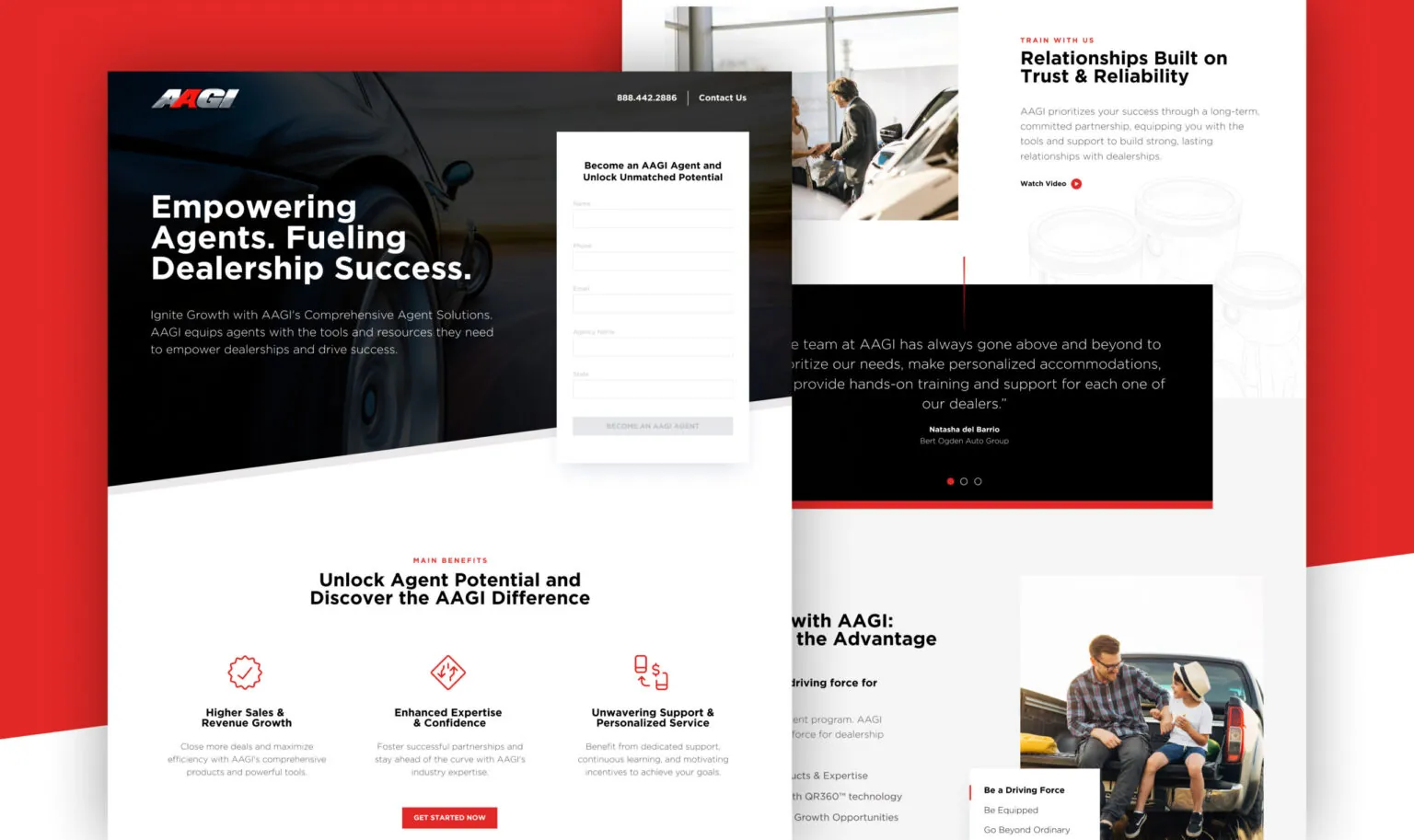
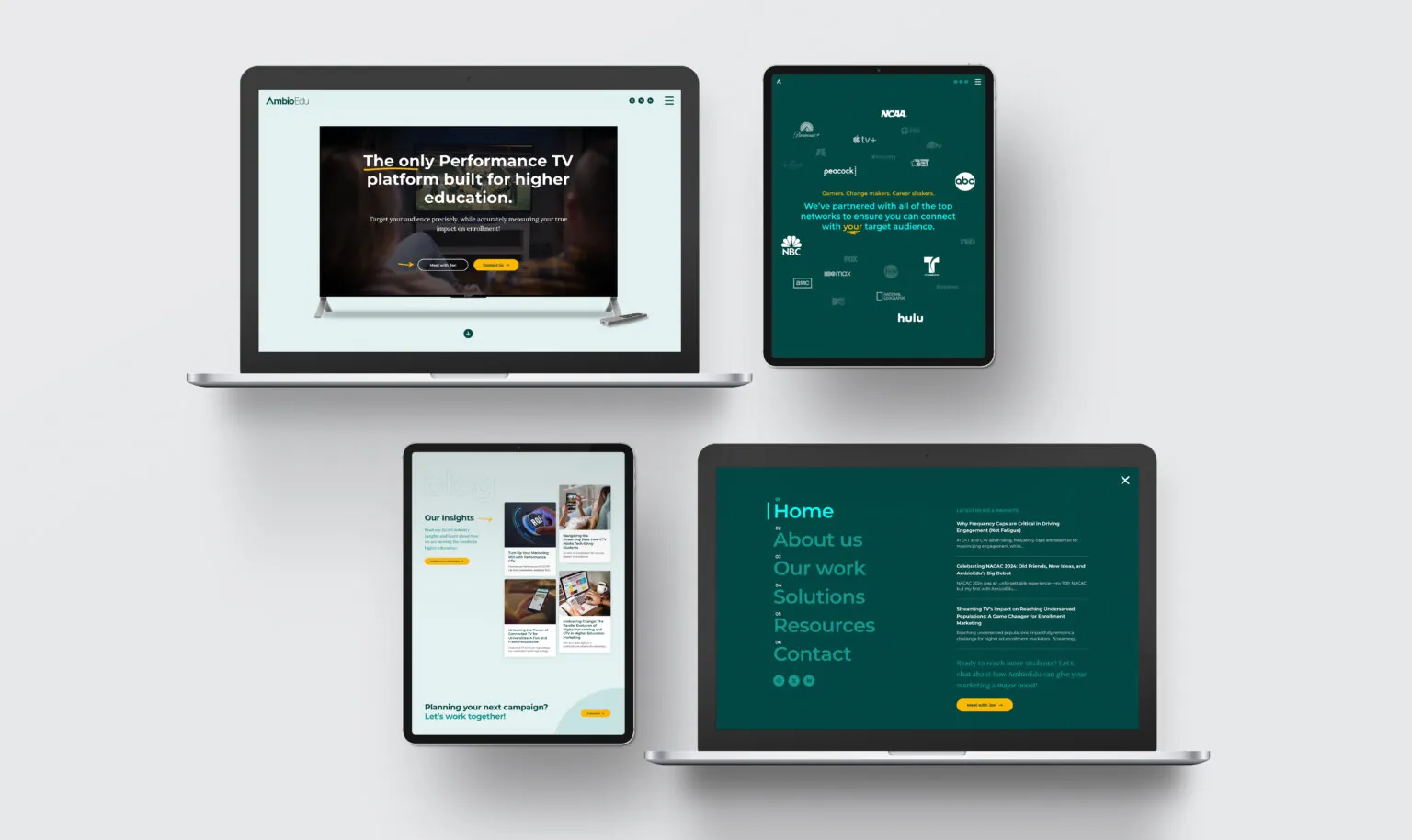
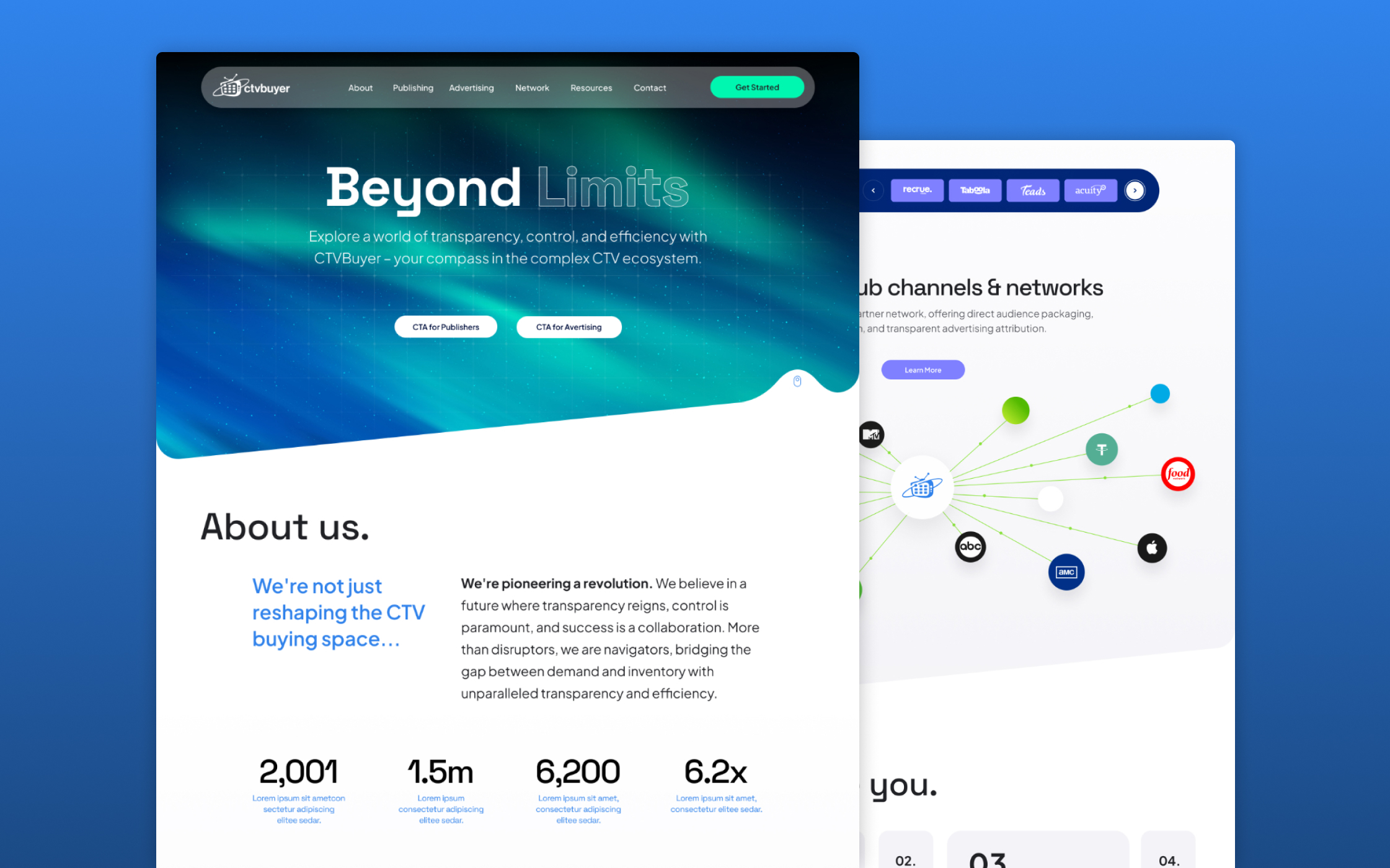
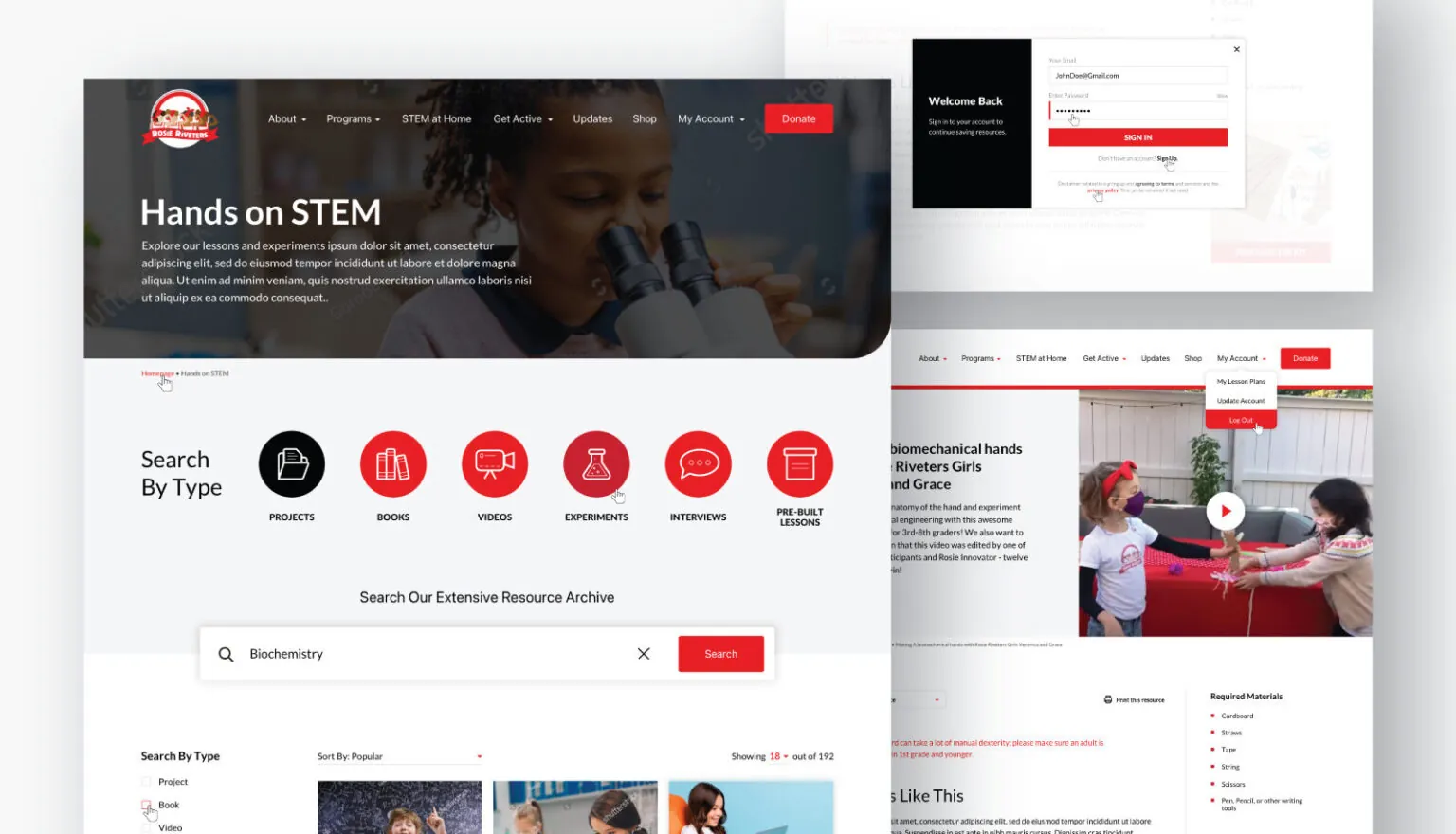
Branding and web design are closely connected. A website cannot communicate clearly if the brand underneath it is vague or inconsistent. At the same time, a strong brand needs a website that actually supports how the business wants to be perceived. That is why many branding projects naturally overlap with website planning or redesign.
That overlap often includes:
- aligning messaging with site structure
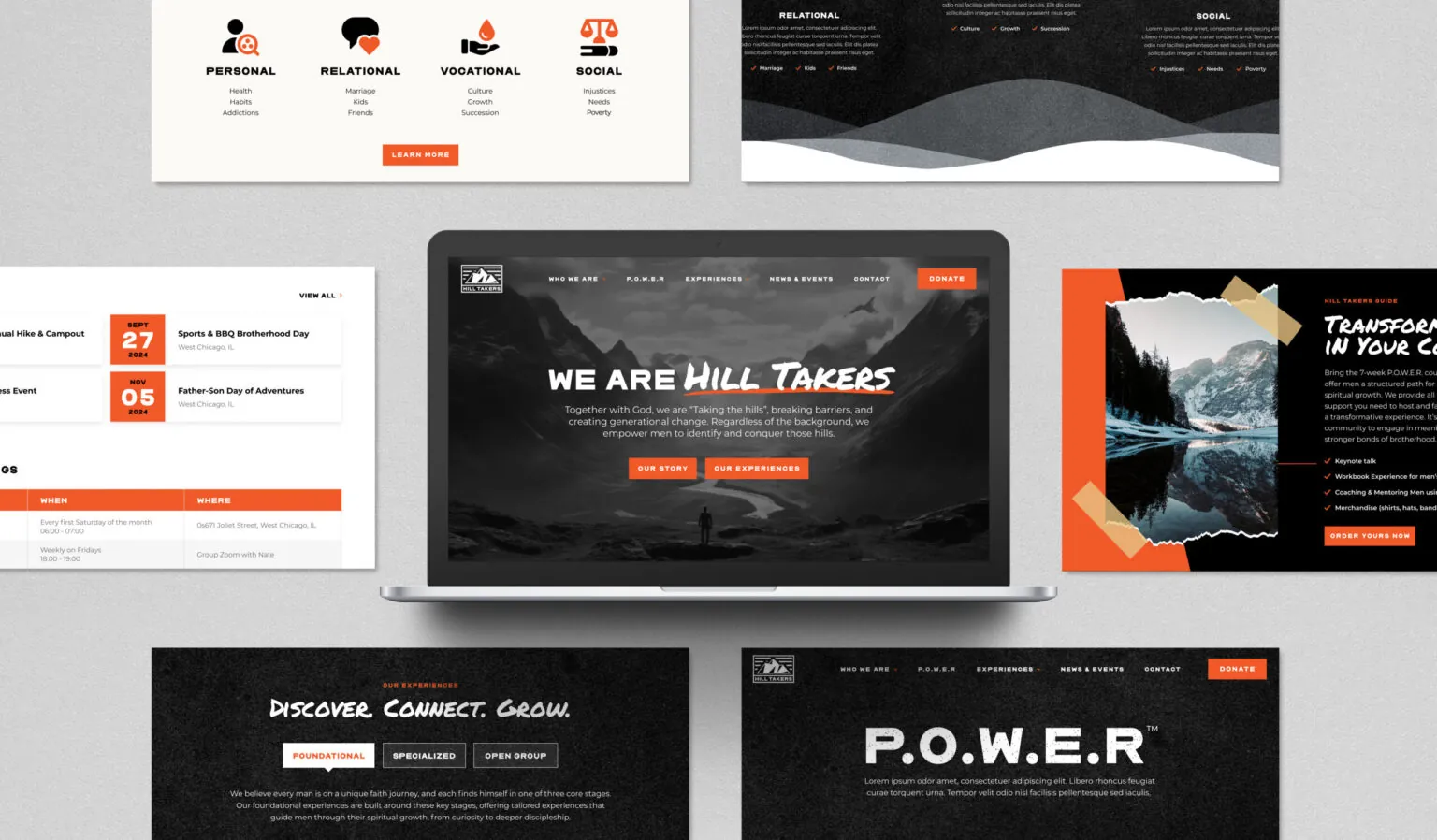
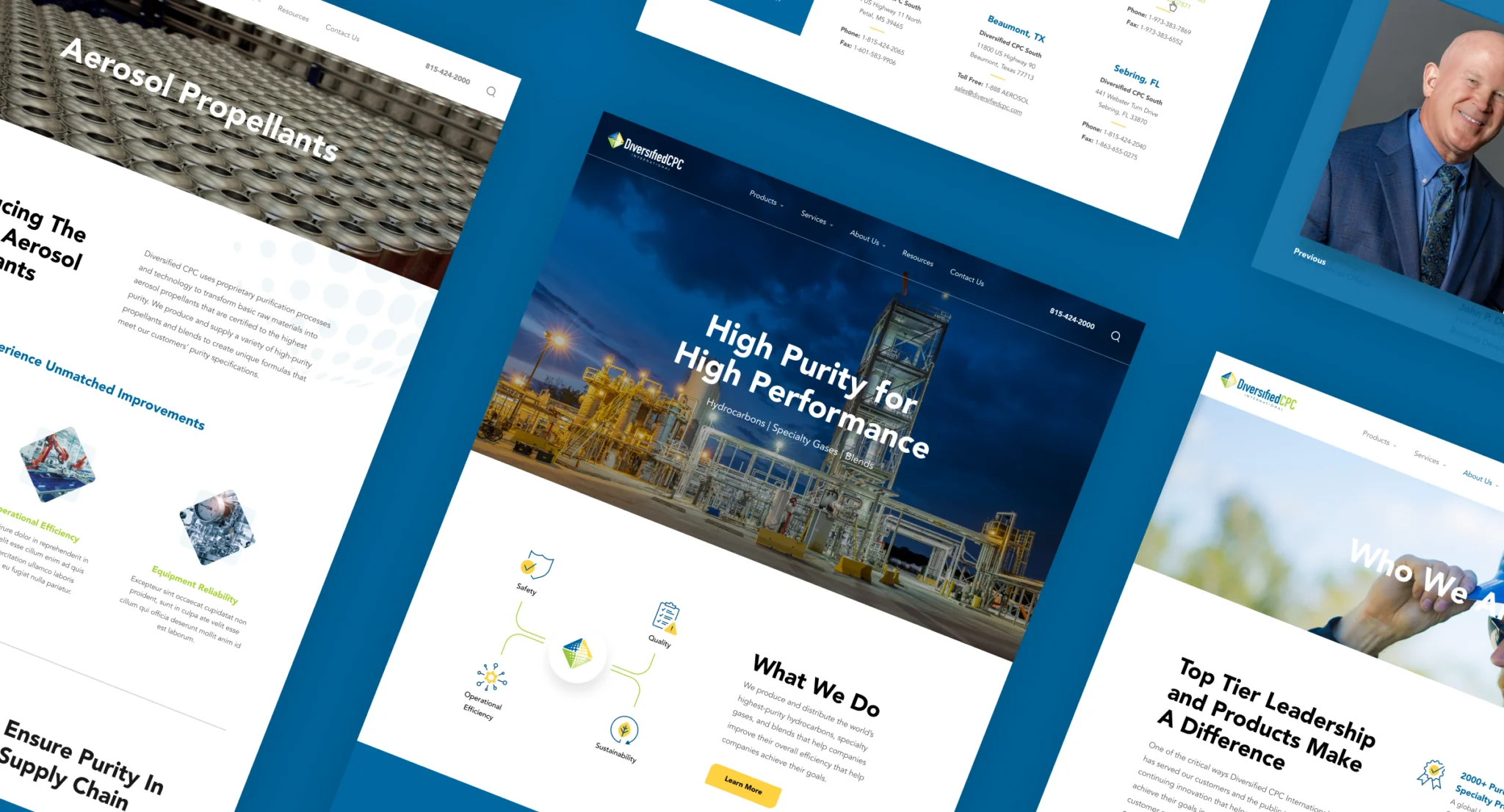
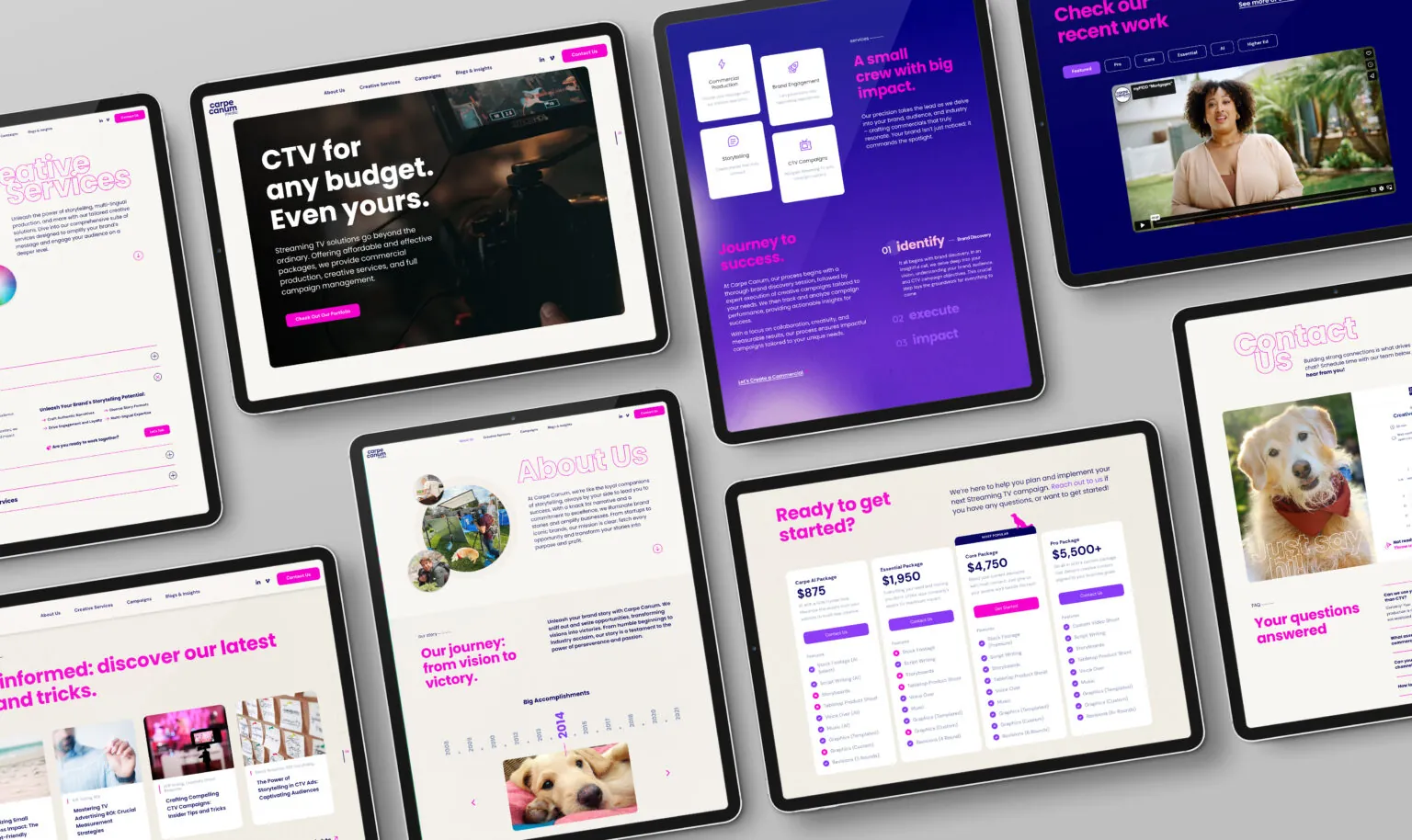
- bringing visual identity into the digital experience
- clarifying service presentation across core pages
- creating stronger trust and credibility through design
- making the brand more usable across real customer journeys
Related resources include Columbus Web Design Services, Columbus Website Redesign, and Columbus Website Redesign Services.
For many businesses, branding becomes more valuable once it is integrated into how the website actually works.
Branding, SEO, and Search Visibility Are More Connected Than They Look
Branding and SEO are often treated like separate conversations, but in practice they influence each other constantly. If the business is unclear in how it describes services, weak in how it differentiates itself, or inconsistent in how it presents expertise, those issues can weaken both search performance and conversion once people land on the site.
Stronger branding often helps SEO by improving:
- service clarity across important pages
- content quality and specificity
- message consistency across the site
- trust signals and perceived authority
- how clearly the business can be understood by users and search systems
As AI-driven search experiences continue changing how businesses are discovered, clarity and trust matter even more. Stronger branding supports both traditional search performance and newer answer-driven search environments by making the business easier to interpret and easier to trust.
Related resources include Columbus SEO Services, Columbus AI SEO, and Columbus SEO Company.
Branding Needs to Stay Consistent as the Business Grows
One of the biggest branding problems for growing companies is inconsistency. Different teams produce different materials. New service pages get added over time. Presentations, proposals, and digital assets start to drift away from one another. That drift weakens trust because the company stops feeling fully coordinated.
Stronger branding helps create consistency through:
- shared language and messaging rules
- clearer visual systems
- brand guidelines that support execution
- better alignment across sales, marketing, and the website
- a more repeatable system for future growth
This is often where branding stops being a creative preference and becomes an operational advantage.
How Columbus Market Context Shapes Branding Decisions
Columbus is a broad and growing market made up of very different business environments. Some companies are competing in the downtown core. Others are serving suburban growth markets like Dublin, Westerville, Worthington, Upper Arlington, or New Albany. Some are focused on local trust. Others are aiming to look more established across a regional footprint. That affects how branding should work.
A company trying to win in a more design-aware, high-expectation market may need a different brand presentation than one focused on broader service reach across Central Ohio. Some need more polish and authority. Others need more clarity and differentiation. The right branding system should reflect how the business actually competes in its market rather than copying how another company looks.
Related market resources include Columbus Areas We Serve, Downtown Columbus, Dublin, Worthington, and New Albany.
Industries That Often Need Stronger Branding Systems
Some industries feel the impact of weak branding faster than others. This is especially true when trust, authority, clarity, and perceived professionalism play a large role in how buyers evaluate providers.
We often work with businesses in industries such as:
- professional services
- financial services
- healthcare and medical
- technology and SaaS
- manufacturing and industrial
- construction and engineering
- regional B2B service organizations
These industries often need stronger branding because buyers tend to compare options carefully and form impressions quickly. A vague or inconsistent brand can quietly undermine stronger sales conversations.
Explore more on our Industries We Serve in Columbus page.
What Strong Branding Should Feel Like for the Business
Branding should not feel like decoration layered on top of the business. It should feel like clarity. The strongest branding work helps the company feel more aligned internally and more credible externally.
A stronger branding process should help the business feel:
- clearer about how it should be positioned
- more confident in how it talks about services
- better aligned across visuals, messaging, and strategy
- less fragmented across sales, marketing, and digital channels
- more prepared to grow without diluting the brand
That kind of clarity is what turns branding from a visual exercise into a real business asset.
Build a Stronger Brand Foundation →
Related Columbus Branding and Website Resources
If you are comparing branding support in Columbus, these related pages may help you evaluate the project more clearly:
Why Rawcut Creative
Rawcut Creative approaches branding as more than a visual update. We look at how the business is positioned, how clearly it communicates, how consistently it presents itself, and how the brand supports long-term growth across the website and beyond. Our goal is to build a branding system that helps the company feel more deliberate, more credible, and more scalable.
For businesses in Columbus, that means branding work built to improve more than appearance. It helps create stronger clarity, stronger consistency, and a stronger foundation for the next stage of growth.