When a Website Redesign Makes Sense
Most businesses do not decide to redesign their website without a reason. Usually, something about the current site is no longer working as well as it should.
Common signs that a redesign may be the right move include:
- the design feels outdated or inconsistent
- services are not clearly explained
- navigation is confusing or difficult to use
- the site performs poorly on mobile devices
- lead generation has slowed or become inconsistent
- the site is difficult to update or expand
In many cases, these issues are connected. Improving one part of the site often requires improving the overall structure and experience.
What a Website Redesign Should Improve
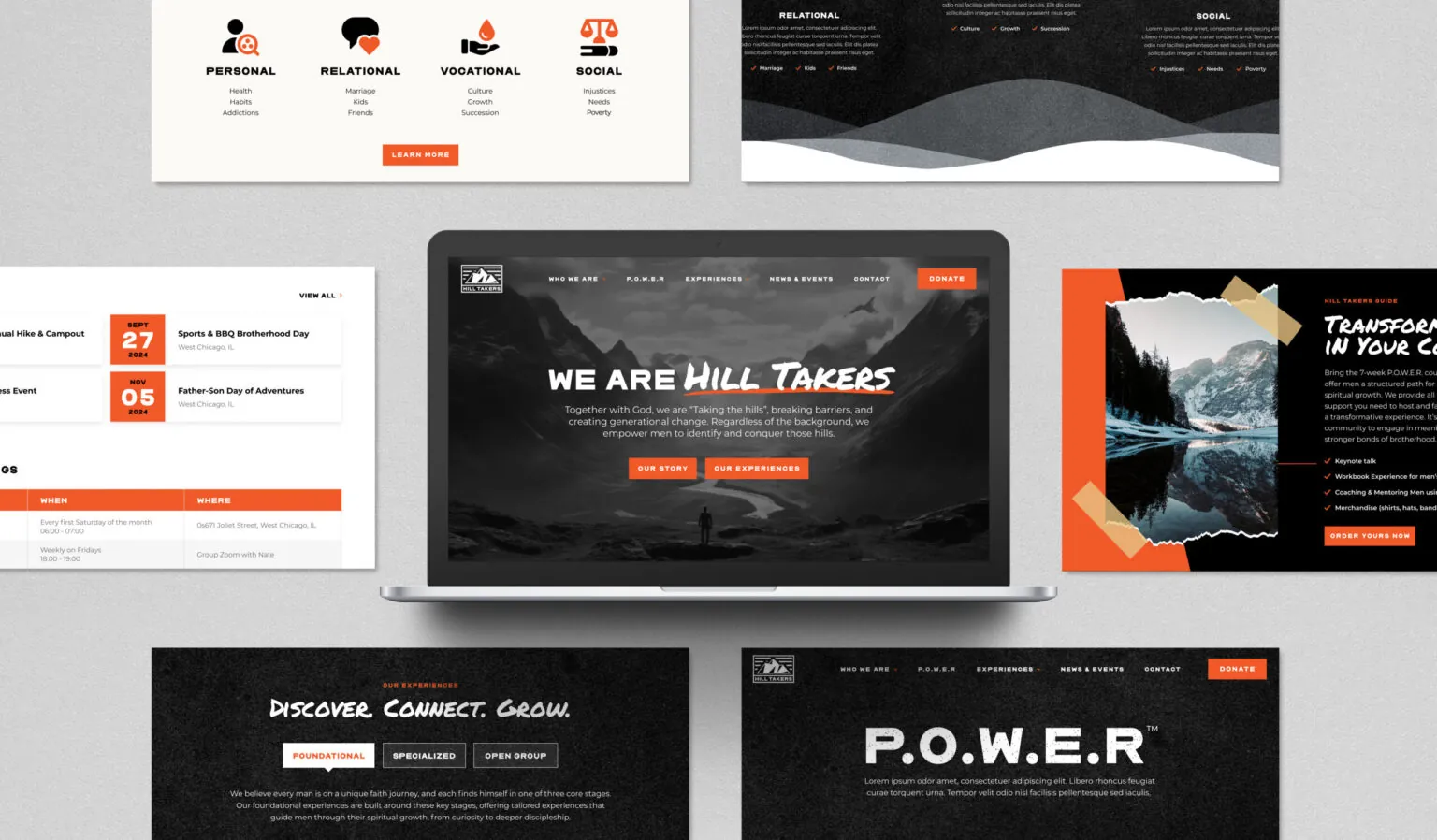
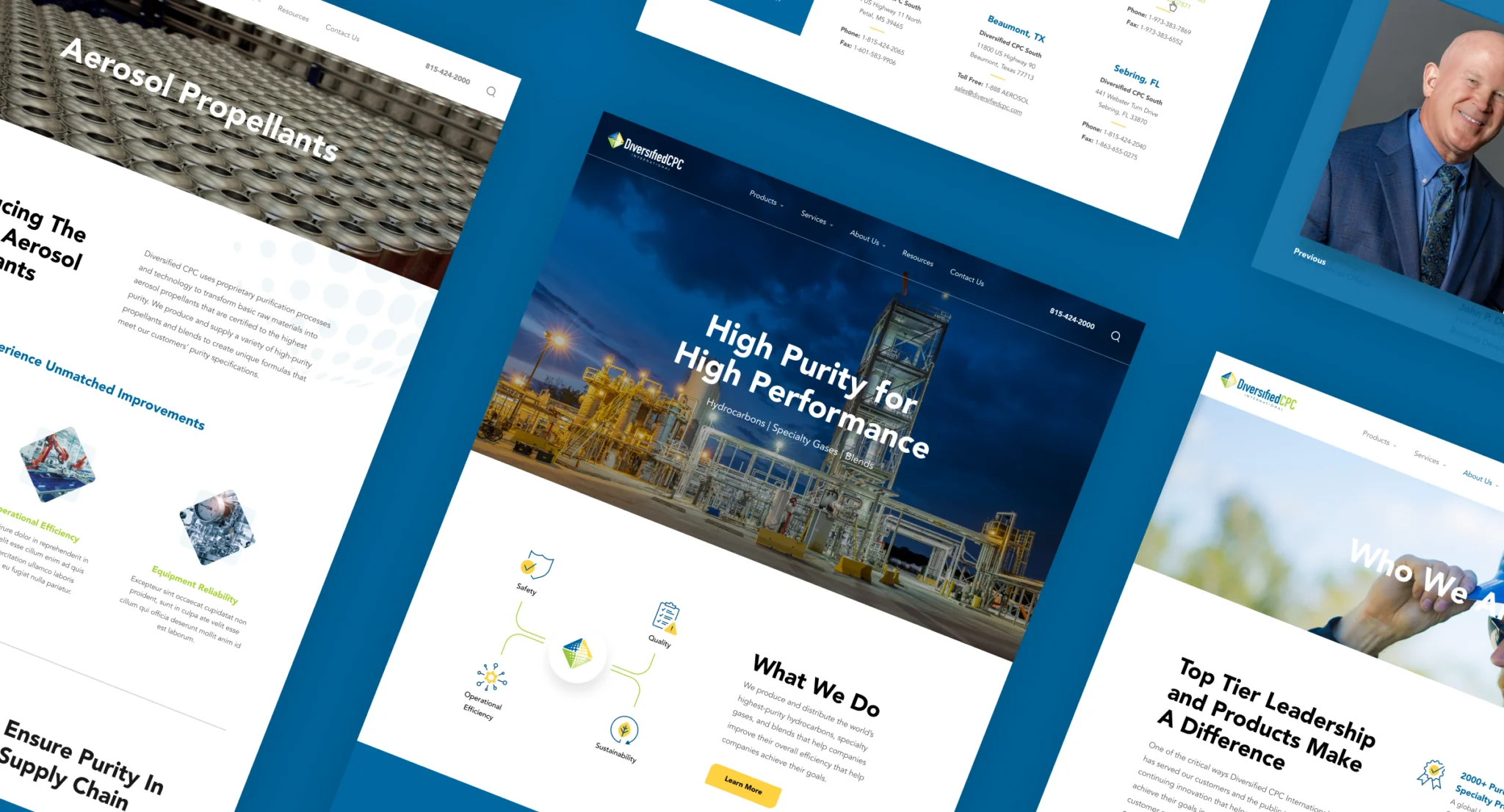
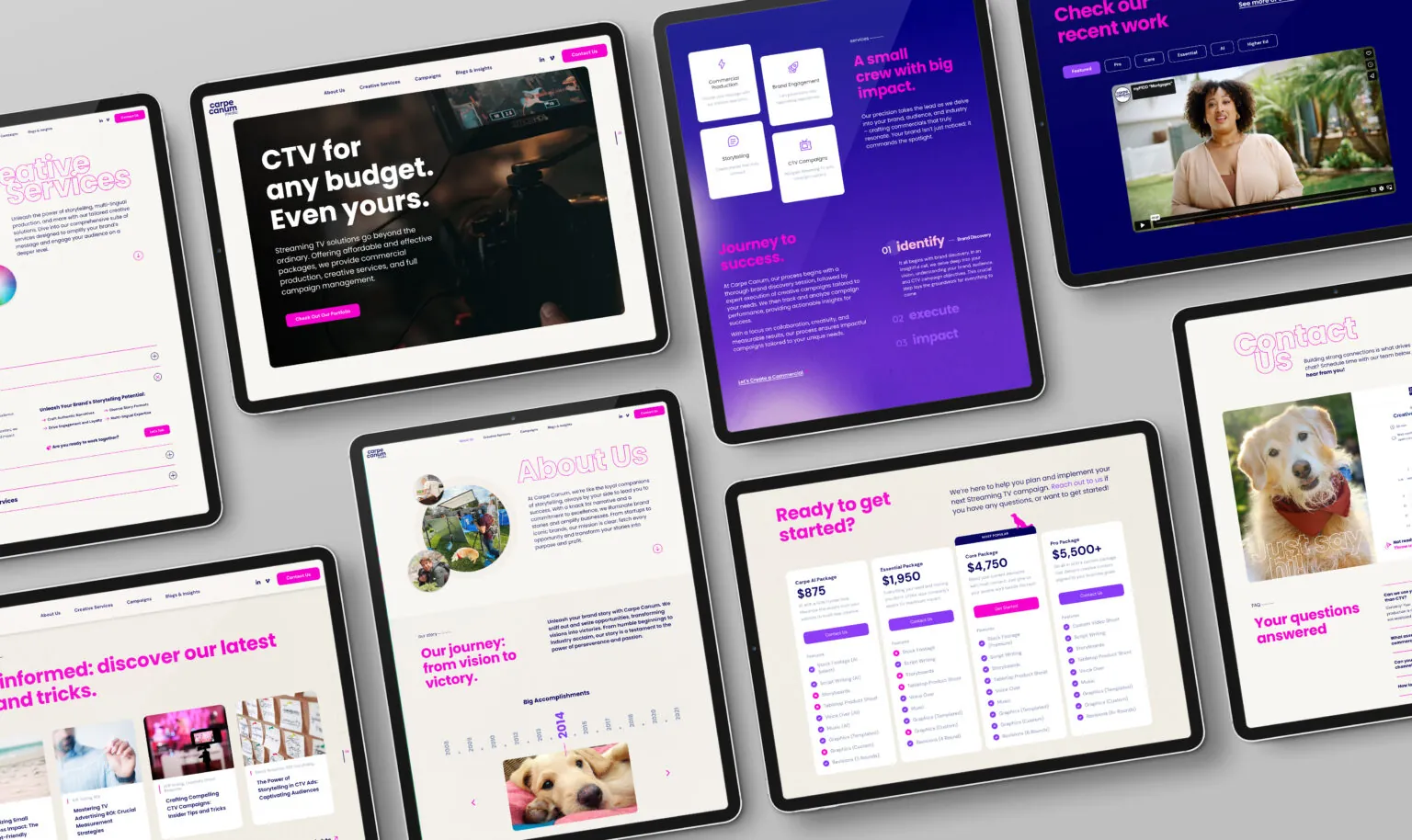
A strong redesign focuses on more than visual updates. It should help the website work better for both the business and the people visiting it.
That often includes improvements to:
- clarity of messaging and service descriptions
- overall site structure and page organization
- navigation and user experience
- mobile responsiveness
- visual presentation and brand consistency
- conversion pathways and calls to action
When these elements work together, the website becomes easier to understand, easier to use, and more effective as a business tool.
Redesign vs Building a New Website
Some businesses are unsure whether they need a redesign or a completely new website. The answer usually depends on how much of the current site can realistically be improved.
A redesign may be a good fit when:
- the core content can still be used or refined
- the site structure can be improved rather than replaced entirely
- the platform is still workable
A full rebuild may make more sense when:
- the structure is too limited or outdated
- the platform is difficult to work with
- the business has changed significantly
Many Dallas businesses use the redesign process as an opportunity to move toward a more flexible platform such as WordPress web design.
Improving Messaging During a Redesign
One of the most important parts of a redesign is improving how the business communicates. Many websites struggle not because the design is outdated, but because the messaging is unclear or incomplete.
A redesign is often the right time to:
- clarify how services are explained
- improve how the business presents its value
- simplify complex information
- make it easier for visitors to understand next steps
When messaging becomes clearer, the rest of the website becomes easier to navigate and more effective overall.
Website Structure and User Experience
Structure plays a major role in how users interact with a website. If visitors cannot find what they are looking for quickly, they are more likely to leave without taking action.
A redesign often focuses on:
- organizing services into a clearer hierarchy
- simplifying navigation
- creating more logical page flows
- reducing friction in key user paths
These improvements help visitors move through the site more naturally and understand the business more quickly.
To explore this further, visit Website Architecture and Website User Experience.
Mobile Experience and Performance
Mobile usability is no longer optional. Many visitors will experience a website on a phone before ever seeing it on a desktop. If the mobile experience is difficult or inconsistent, it can affect how the business is perceived.
A redesign often improves:
- mobile layout and readability
- page load speed
- navigation on smaller screens
- overall usability across devices
Performance improvements can also help create a smoother experience overall. Related resources include:
Website Redesign and SEO
For many businesses, a redesign is also an opportunity to improve how the website supports search visibility. A clearer structure, better organization, and improved performance can all contribute to stronger long-term results.
That often includes:
- more organized page structure
- clearer service pages
- improved internal navigation
- better alignment between services and locations
Businesses exploring SEO alongside a redesign may also review:
Considering these elements during a redesign can help the website perform more effectively over time.
How the Website Redesign Process Works
A successful redesign usually follows a clear process rather than jumping directly into design changes. The strongest projects begin with planning and move through a structured sequence.
This often includes:
- reviewing the current website
- identifying what needs to change
- planning structure and content updates
- designing updated layouts
- developing and testing the new site
- launching and refining after launch
To learn more about the full process, visit Dallas Web Design Process.
Dallas Market Context
Businesses in Dallas often serve a range of markets, from specific neighborhoods to broader regional audiences. That can influence how the redesigned website should be structured and how clearly it communicates services.
To explore how local context connects to website planning, visit:
Industries We Serve in Dallas
Different industries often approach redesigns differently. A healthcare organization may focus on accessibility and trust. A professional services firm may focus on credibility and clarity. A technology company may need stronger product communication.
Explore Industries We Serve in Dallas to see how website needs vary across business types.
Related Dallas Website Redesign Resources
If you are evaluating a redesign, these related pages may help you compare options and next steps:
Why Rawcut Creative
Rawcut Creative approaches website redesign as more than a visual update. We focus on improving structure, messaging, and user experience so the site works better for the business over time.
For Dallas businesses, that means redesigns that support clearer communication, stronger performance, and a more effective digital presence.