What Brand Guidelines Should Actually Do
Brand guidelines should do more than collect a logo file, a few colors, and a short paragraph about the company. Strong guidelines help the business maintain consistency, reduce confusion, and apply the brand in a way that supports trust across every touchpoint.
Strong brand guidelines in Indianapolis often help improve:
- consistency across website and marketing materials
- clarity in how the visual identity should be applied
- brand recognition across different channels
- confidence for internal teams and outside partners
- alignment between digital and offline brand assets
- long-term scalability as the business grows
That matters because most brand inconsistency is not intentional. It happens when people do not have a clear system to follow. Brand guidelines make that system visible and usable.
See What Stronger Guidelines Could Improve →
Why Businesses in Indianapolis Invest in Brand Guidelines
Many businesses wait to think about brand guidelines until inconsistency has already become a problem. The logo may be used in different ways across materials. Website updates may not fully match the original visual direction. Marketing assets may feel slightly disconnected from one another. Presentations, proposals, and sales materials may each look like they came from a different company.
That kind of drift weakens the brand over time, even if each individual asset looks acceptable on its own. Buyers tend to experience the business as a whole, not as separate design decisions. When the presentation feels inconsistent, trust can erode quietly.
Common reasons businesses in Indianapolis invest in brand guidelines include:
- the brand is being used inconsistently across materials
- the company has grown and more people are creating assets
- the website and marketing materials do not feel aligned
- the business recently rebranded and needs clearer standards
- outside partners need a more usable brand system
- leadership wants to protect brand consistency over time
In many cases, guidelines become valuable not because the brand is weak, but because the business is now large enough that consistency requires more structure.
Guidelines Help Protect the Value of Brand Identity
A strong identity system can lose value quickly if it is not applied consistently. The logo may still be good. The color system may still work. The typography may still be strong. But without usage standards, those elements can start to feel less recognizable and less intentional.
Brand guidelines help protect the value of identity by clarifying:
- how the logo should appear
- which color uses are correct and incorrect
- how typography should be used across materials
- what visual hierarchy should look like
- how supporting elements should reinforce the brand
Related identity resources include:
For many Indianapolis businesses, guidelines are what keep a strong identity from becoming diluted through inconsistent execution.
What Strong Brand Guidelines Usually Include
Not every brand guidelines document needs to be massive, but it should be clear enough to help the right people apply the brand correctly and consistently. The purpose is usability, not complexity.
Strong brand guidelines often include:
- logo usage rules and variations
- color palette definitions
- typography standards and hierarchy
- spacing, scale, and layout guidance
- rules for imagery, icons, or supporting graphics
- examples of correct and incorrect usage
- guidance for applying the brand across digital and print formats
Depending on the business, they may also include tone guidance, website application notes, or design system direction that helps connect the identity more closely to real-world usage.
Brand Guidelines Need to Be Practical, Not Decorative
One of the biggest mistakes with guidelines is creating something that looks polished but does not actually help anyone make better decisions. Strong guidelines should be practical. They should answer the questions people will really have when building materials, updating the website, creating marketing assets, or presenting the brand externally.
That usually means the guidelines should be:
- clear enough for non-designers to understand
- specific enough for designers and developers to apply
- simple enough to use consistently over time
- flexible enough to support real-world brand needs
- grounded in the actual way the business communicates
For many businesses, usability is what determines whether the guidelines become a real operating tool or just another unused document.
Brand Guidelines and Web Design Need to Stay Aligned
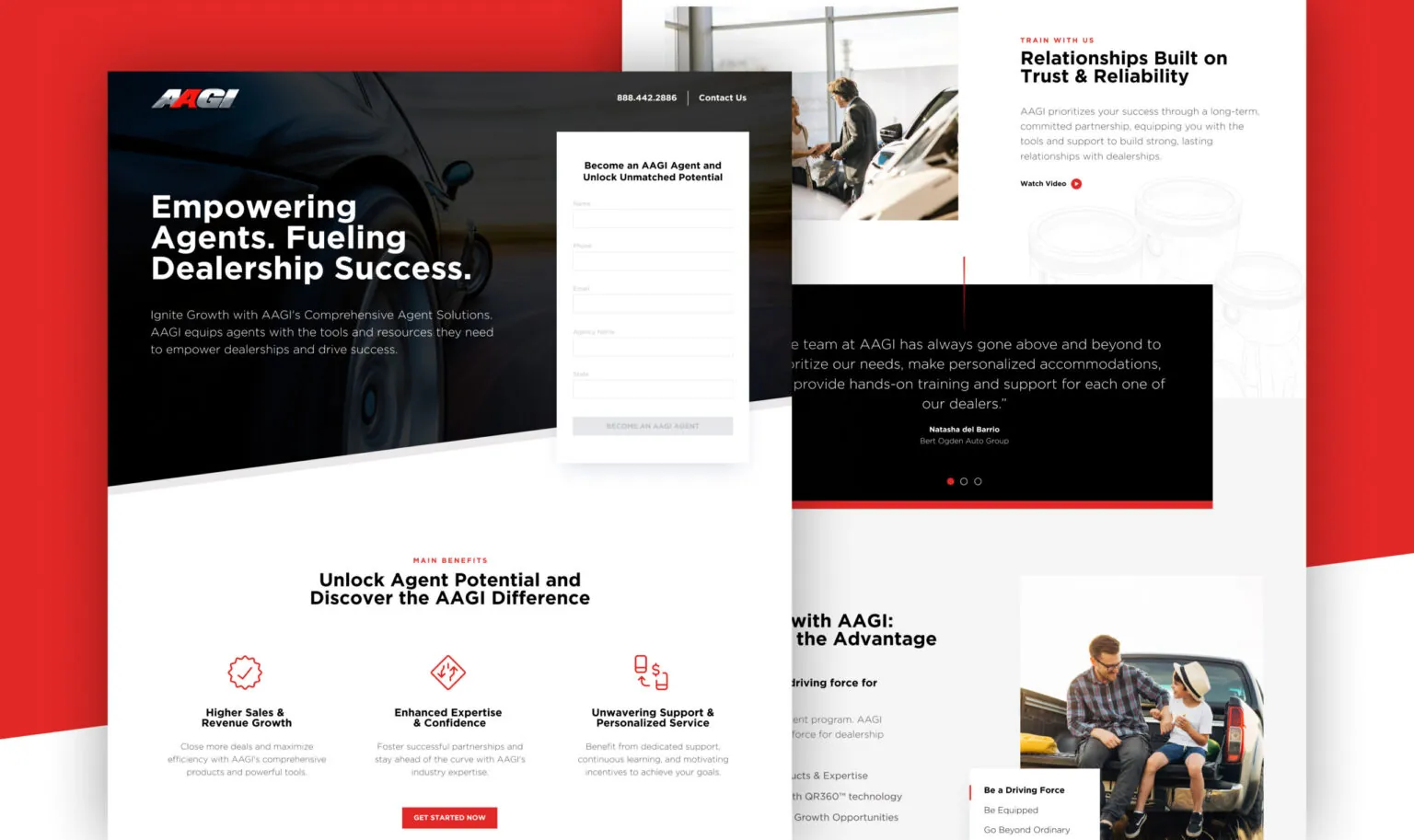
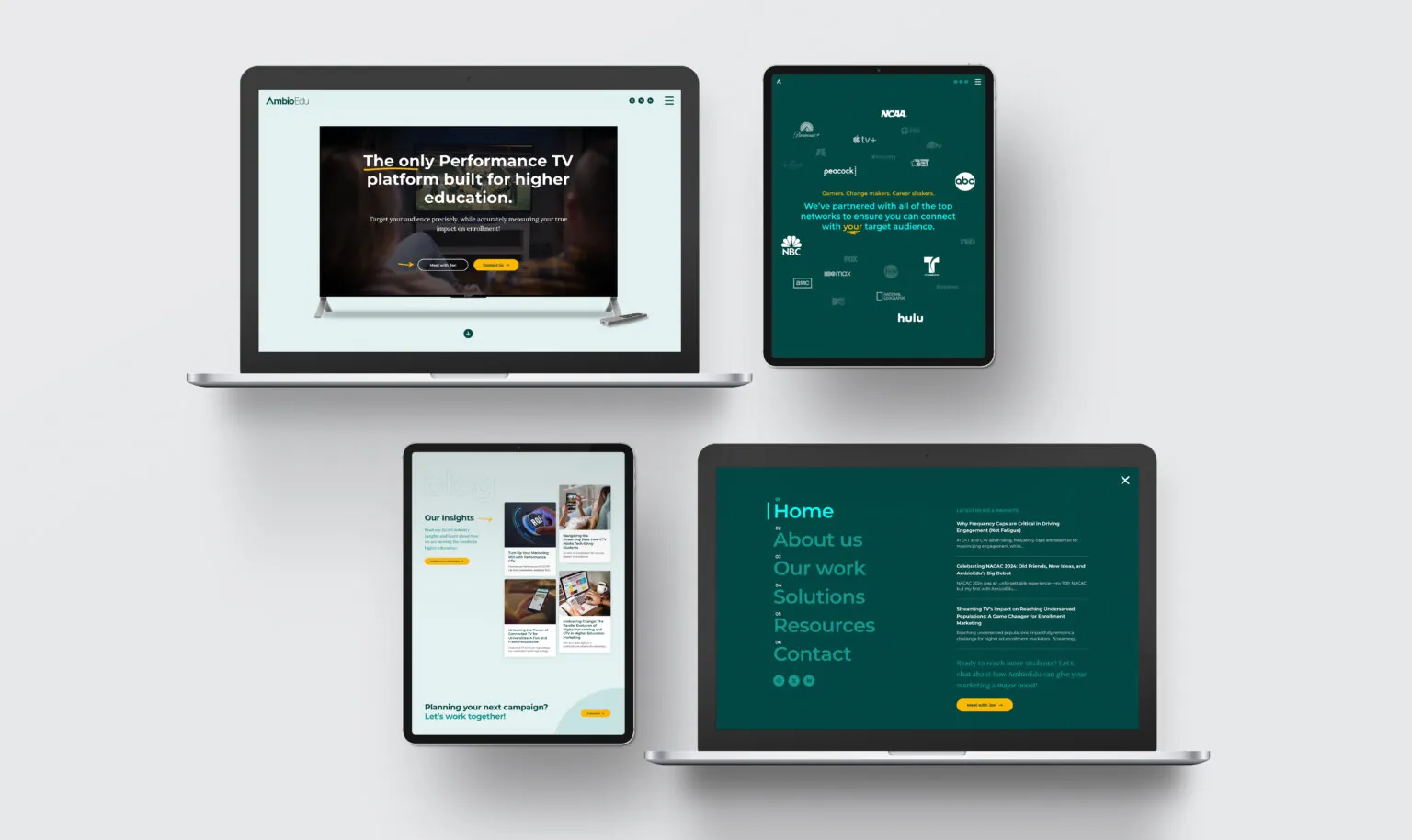
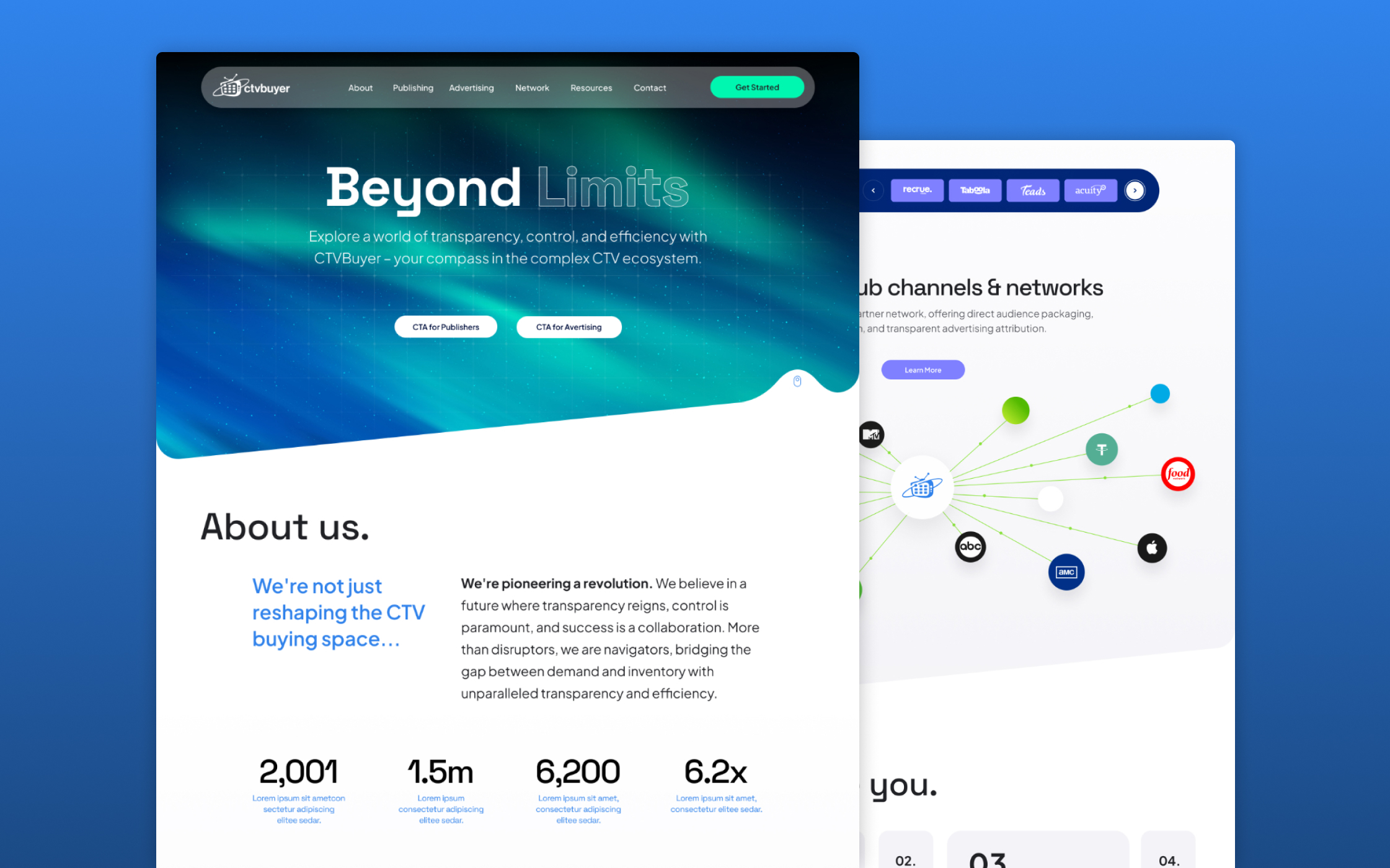
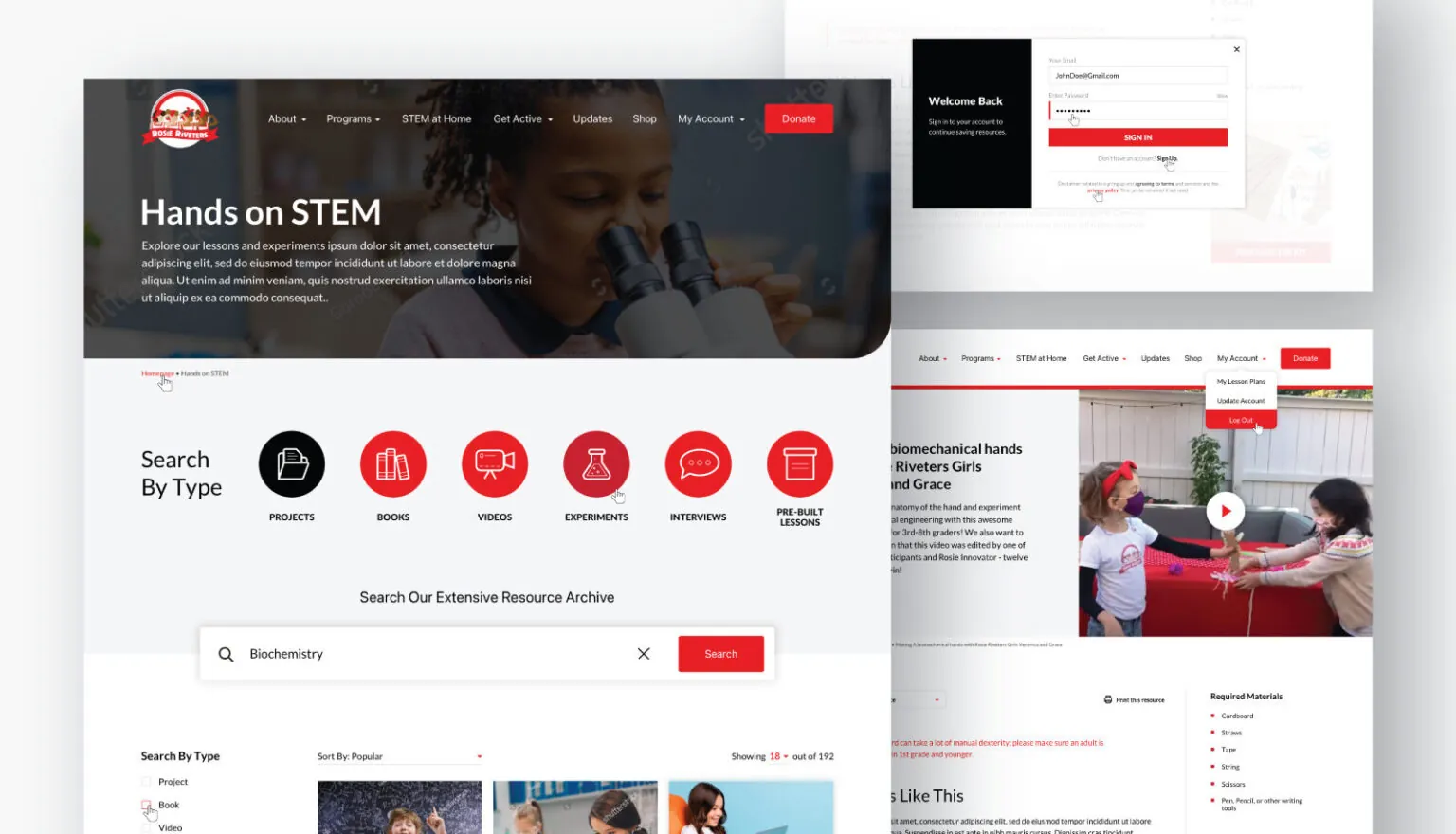
The website is one of the most visible places where brand guidelines are tested. If the website is updated over time without clear standards, the visual system can drift quickly. Typography changes. buttons feel inconsistent. Spacing shifts. Supporting visuals lose coherence. Over time, the digital experience starts to feel less intentional.
That is why brand guidelines often need to support:
- website color and typography consistency
- page-level visual hierarchy
- button, form, and content presentation
- supporting graphic usage across major sections
- consistency between the website and other marketing assets
Related website resources include:
When guidelines and web design stay aligned, the brand feels more stable and more credible over time.
Guidelines Become More Important After Rebranding
One of the most important times to create brand guidelines is after a rebrand. Once a new identity system is in place, the business needs a clear way to protect it and apply it consistently. Otherwise, the rebrand can start losing clarity almost immediately.
Guidelines after rebranding often help with:
- making the new identity easier to roll out
- reducing confusion across internal teams
- helping outside partners apply the brand correctly
- creating consistency across new materials
- supporting a smoother transition from old brand to new brand
Related rebranding resources include:
For many companies, guidelines are what help the rebrand stay strong after launch instead of slowly becoming inconsistent again.
Brand Guidelines Support Better Long-Term Growth
As the business grows, more people usually touch the brand. Internal teams, outside designers, marketers, developers, vendors, and partners all make decisions that affect how the company is presented. Without guidelines, those decisions can become fragmented quickly. With stronger standards, the business can grow without losing coherence.
Brand guidelines often help support:
- cleaner onboarding for new team members and partners
- more consistent marketing execution
- stronger brand recognition over time
- better quality control across assets
- a more scalable visual system for future growth
This is one of the main reasons guidelines are valuable. They help the brand stay stronger as the business becomes more complex.
Build a More Usable Brand System →
How Indianapolis Market Context Shapes Brand Standards
Indianapolis includes a range of business environments, from the downtown core to northside growth markets, westside logistics corridors, southside communities, and broader Central Indiana reach. Businesses serving these markets often need a brand that feels clear and credible across different audiences, not just in one narrow context.
Businesses exploring local market context may also review:
For businesses serving multiple communities or broader regional markets, guidelines help keep the brand consistent while supporting a wider footprint.
Industries That Often Benefit Most From Brand Guidelines
Some industries feel the value of stronger brand standards more quickly than others. This is especially true when trust, professionalism, consistency, and a more considered buyer journey play a major role in how the business is evaluated.
We often work with businesses in industries such as:
- healthcare and medical
- manufacturing and industrial
- professional services
- financial services
- construction and engineering
- regional growth-focused B2B businesses
Explore more on our Industries We Serve in Indianapolis page.
Related Indianapolis Branding and Website Resources
If you are comparing brand systems, identity, and website support in Indianapolis, these related pages may help you evaluate the project more clearly:
Why Rawcut Creative
Rawcut Creative approaches brand guidelines as more than a handoff document. We use them to help businesses protect the value of their identity, improve consistency across touchpoints, and create a more practical system for long-term brand growth. The goal is not just to document the brand. It is to make the brand easier to use well.
For businesses in Indianapolis, that means guidelines built to support clearer execution, stronger consistency, and a more credible presence across website, marketing, and sales materials. If the brand feels stronger than the way it is currently being applied, this is often where that gap starts to close.
Start a Conversation With Rawcut Creative →
Explore All Rawcut Creative Capabilities →