What Brand Identity Should Actually Do
Brand identity should do more than make a company look modern or polished. It should help the business feel more established, more consistent, and more aligned with its market position. It should support how the company communicates, not compete with it.
Strong brand identity in Indianapolis often helps improve:
- visual credibility and professionalism
- consistency across website and marketing materials
- brand recognition across different touchpoints
- alignment between visuals and target audience expectations
- confidence in how the business presents itself
- support for long-term brand growth and scalability
That matters because buyers often make early judgments based on visual presentation before they engage with deeper messaging. A stronger identity helps reduce that friction.
See What a Stronger Identity Could Improve →
Why Brand Identity Breaks Down Over Time
Brand identity rarely becomes ineffective overnight. It usually weakens gradually as the business grows. New services are added. Marketing materials are created at different times by different people. The company moves into more competitive markets. Over time, the identity becomes less consistent and less aligned with the business.
That breakdown often shows up in ways such as:
- a logo that feels outdated or less credible than the company
- inconsistent use of colors, typography, and visual elements
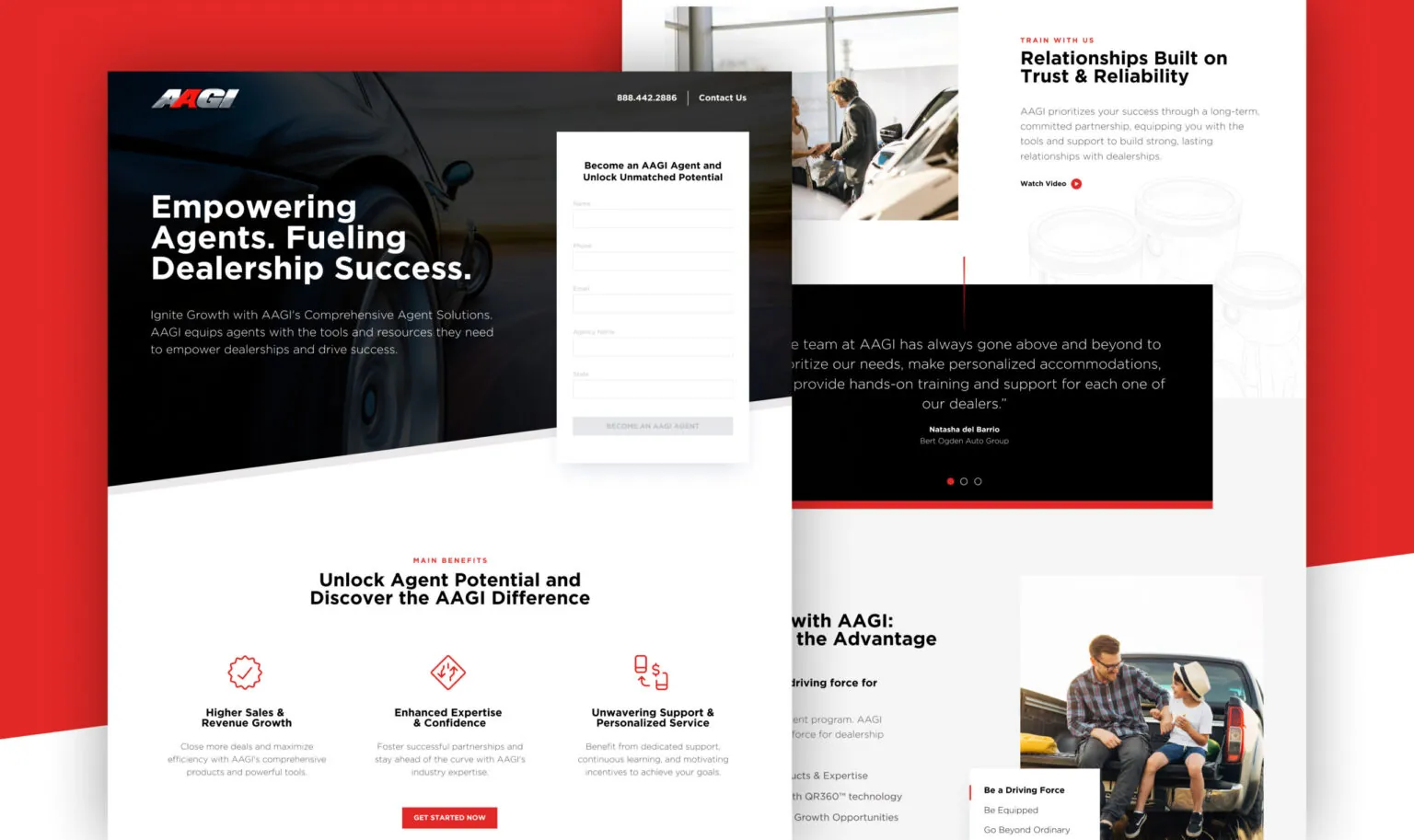
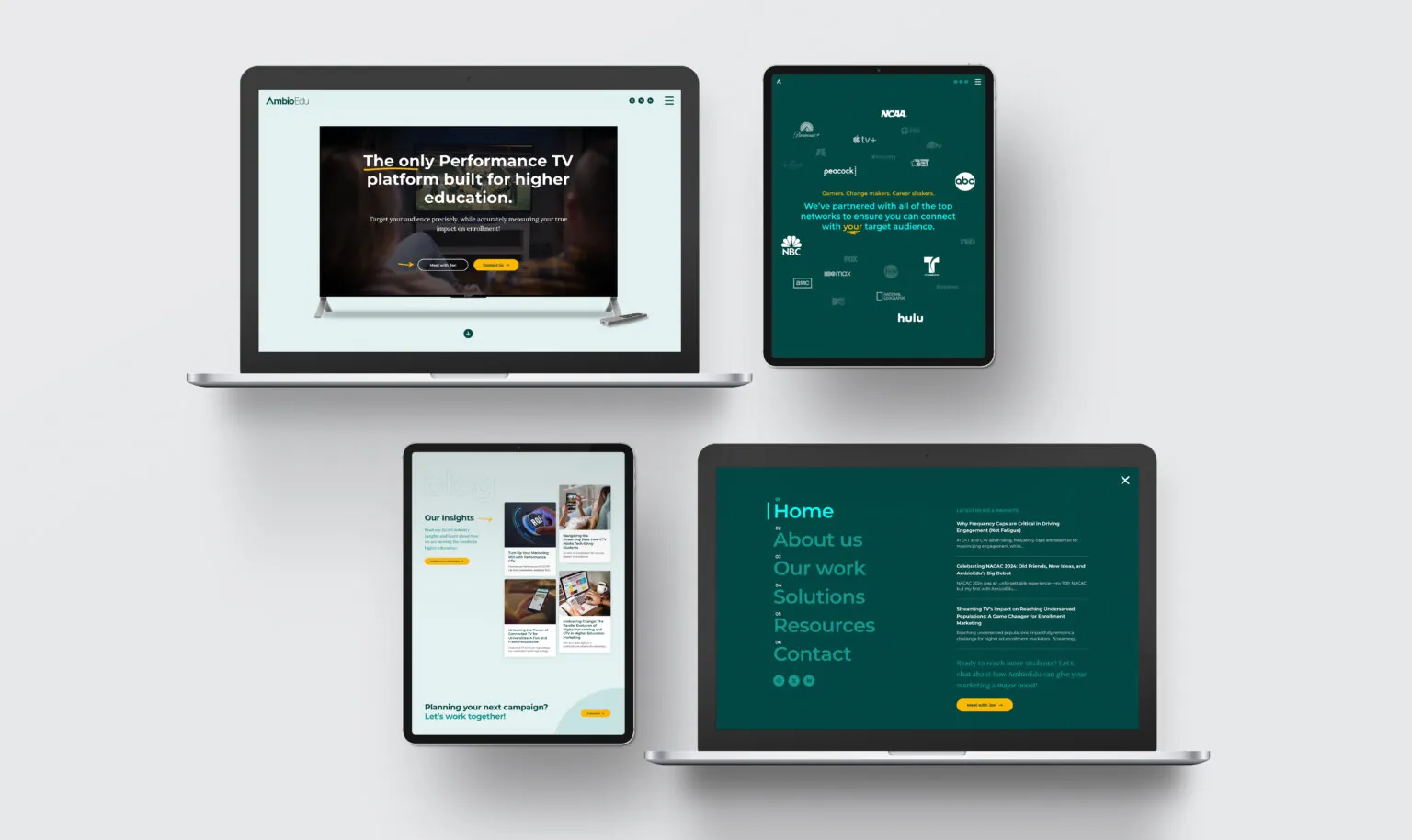
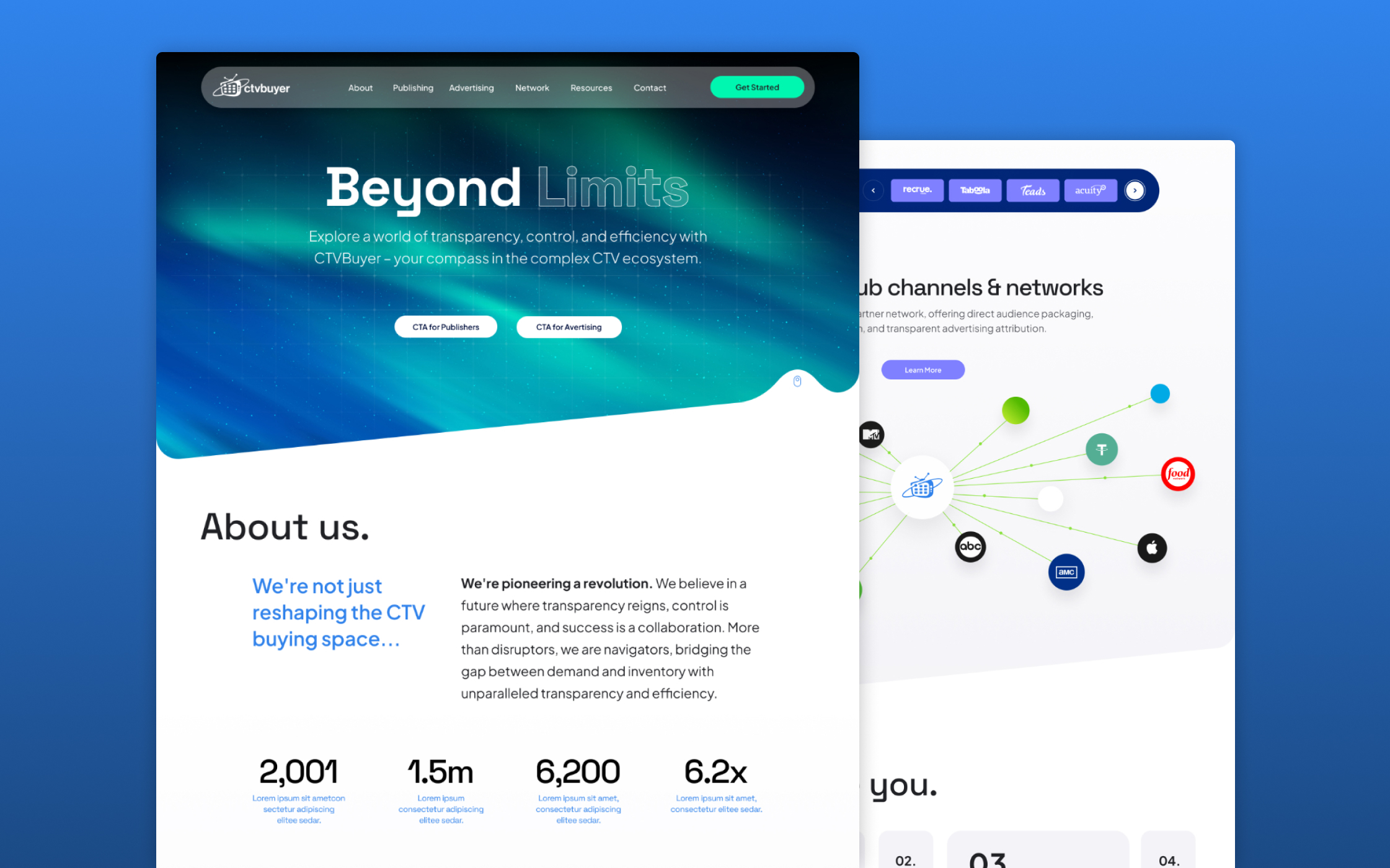
- website pages that do not feel visually aligned
- sales materials that look disconnected from the core brand
- a lack of clear design rules guiding how the brand is used
For many Indianapolis businesses, improving brand identity is less about starting over and more about creating a system that brings consistency and clarity back to how the business is presented.
Logo Design Is Only One Part of Brand Identity
Many businesses think of brand identity primarily as logo design. While the logo is important, it is only one part of a much larger system. A strong identity works because all of the visual elements support each other and create a consistent experience across different formats and channels.
A more complete brand identity often includes:
- a primary logo and supporting logo variations
- defined typography and font hierarchy
- a clear color palette with usage rules
- supporting graphic elements and visual patterns
- guidelines for imagery, icons, and design style
- rules for applying the brand across digital and print materials
Related identity resources include:
When the identity system is more complete, the brand becomes easier to manage and easier to scale.
Brand Identity Needs to Align With Strategy
Visual identity is most effective when it reflects a clear strategic direction. If the business has not defined how it wants to be positioned, who it wants to reach, and how it wants to differentiate itself, the identity can feel disconnected from the actual goals of the company.
That is why strong brand identity often works best when it is tied to:
- clear positioning and differentiation
- a defined target audience
- intentional brand messaging
- a broader branding system that supports growth
Related strategy resources include:
When identity reflects strategy, the brand feels more intentional because it is expressing something meaningful about the business.
Consistency Is What Makes Identity Valuable
One of the biggest benefits of a strong brand identity is consistency. Without clear visual rules, different parts of the business can start to look disconnected. That weakens recognition and makes the brand feel less established.
A stronger identity system helps ensure consistency across:
- the website and digital experience
- sales materials and presentations
- marketing campaigns and content
- social and external platforms
- internal documents and brand touchpoints
This is often where brand guidelines become important. They help the business apply the identity consistently as it grows.
For many Indianapolis businesses, consistency is what turns identity from a design asset into a real business tool.
Brand Identity and Web Design Need to Work Together
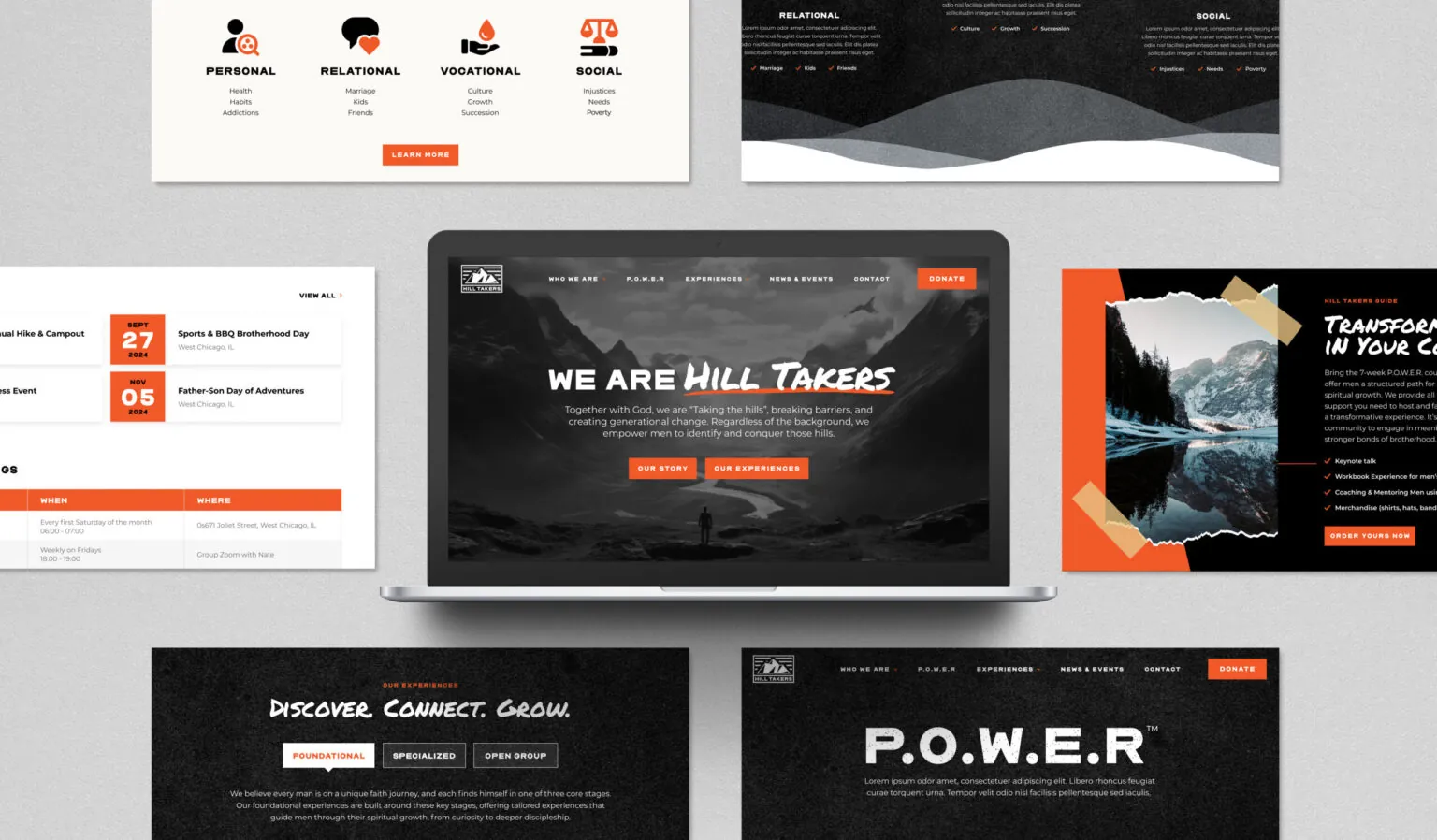
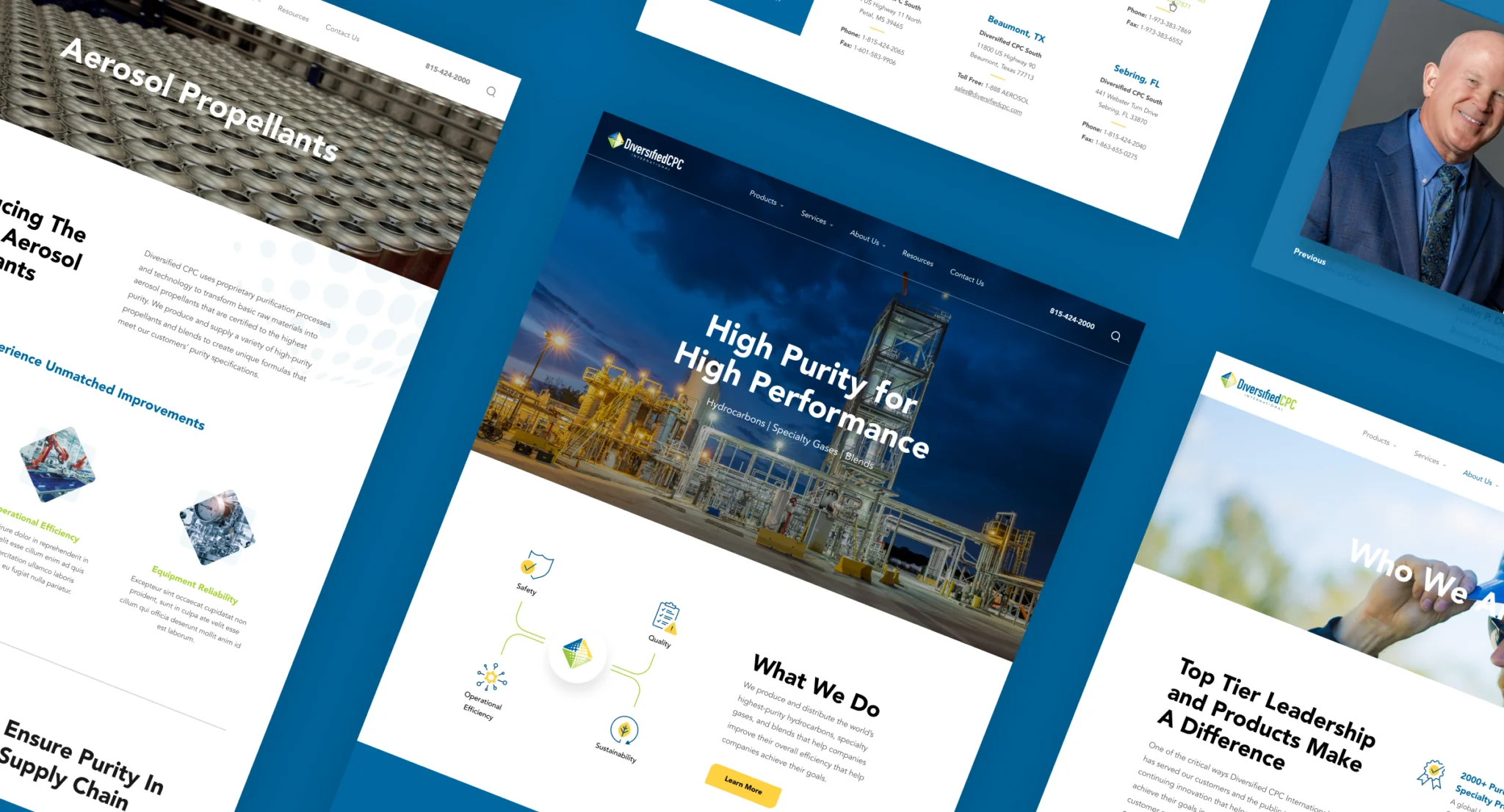
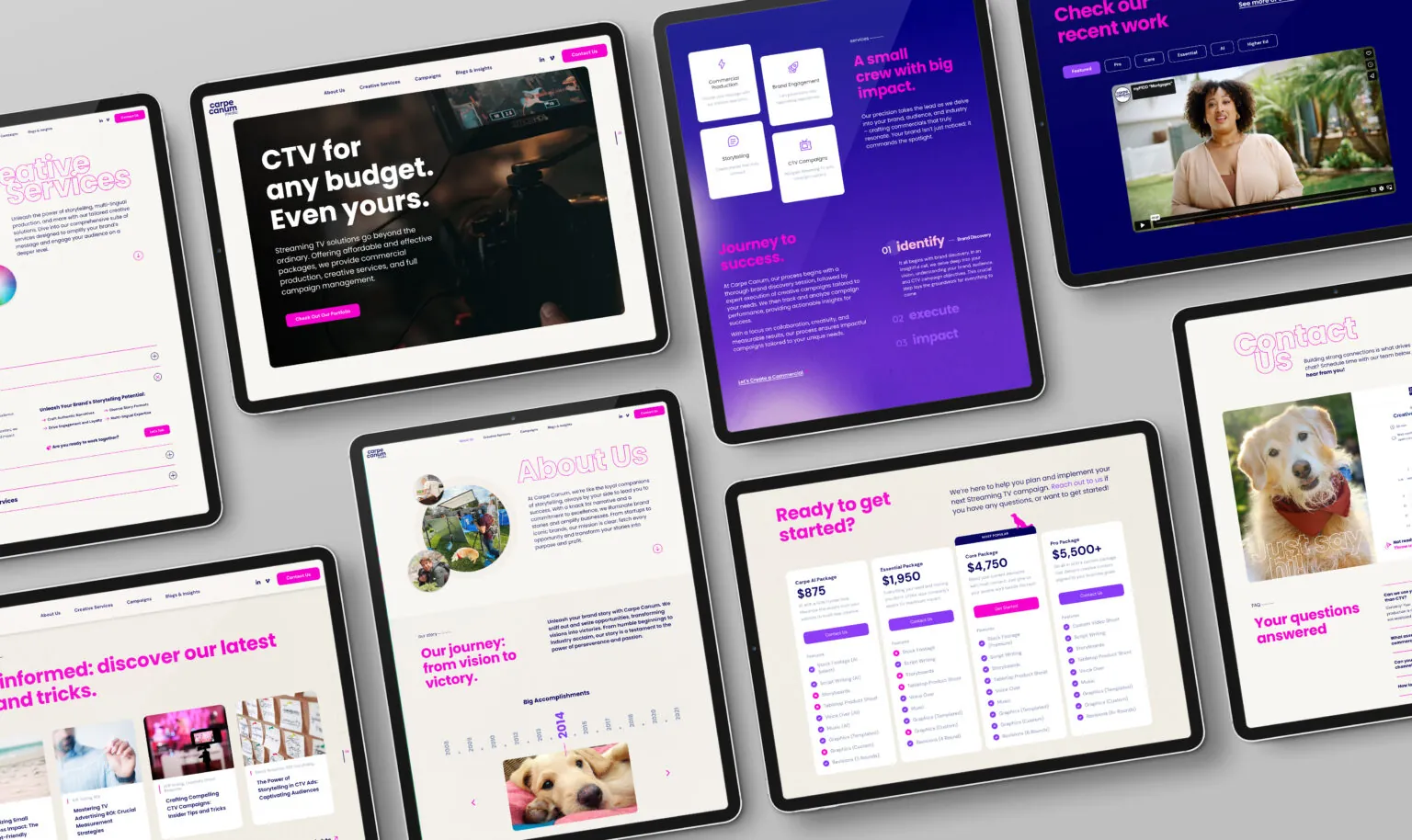
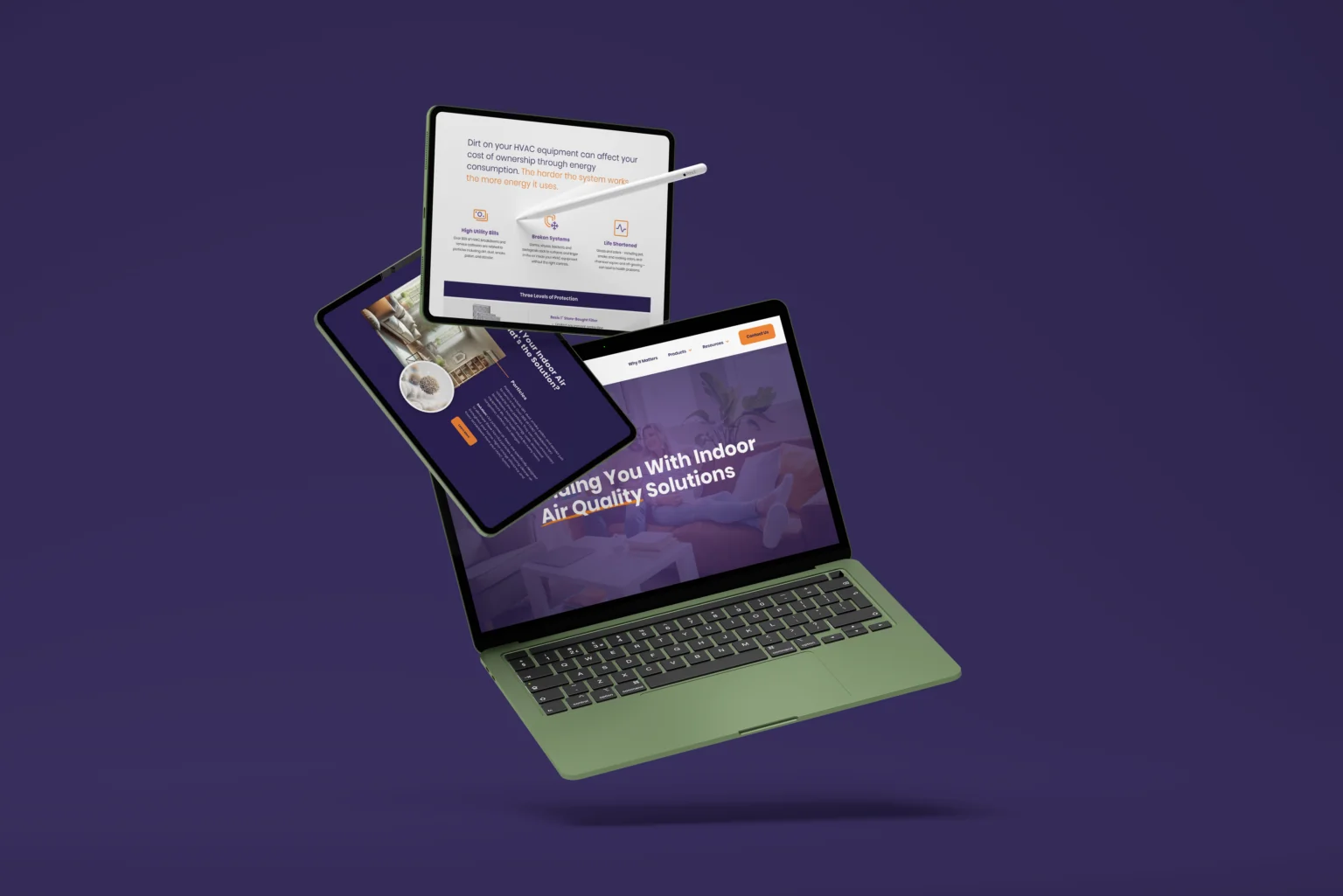
The website is often the most visible expression of the brand identity. If the identity system is unclear or inconsistent, the website will reflect that. At the same time, even a strong identity can feel weaker if the website does not apply it well.
That is why identity work often needs to connect directly to:
- website layout and visual hierarchy
- page-level consistency and design patterns
- use of color, typography, and imagery
- how the brand is introduced and reinforced
- overall user experience and presentation
Related website resources include:
For many businesses, identity becomes more valuable once it is fully expressed through a stronger website experience.
Brand Identity Can Support SEO and Trust Signals
While brand identity is not a direct ranking factor, it still plays a role in how users perceive and trust a website. Clear, consistent visuals help reinforce credibility, which can influence engagement and how users respond to the business once they arrive.
Stronger identity can support:
- clearer presentation of services and content
- stronger trust signals across key pages
- more consistent user experience
- higher perceived credibility during research
- alignment between branding and search-driven traffic
Related SEO resources include:
As search continues to evolve, clarity and trust matter more. A strong identity helps support both.
How Indianapolis Market Context Shapes Brand Identity
Indianapolis includes a mix of business environments, from the downtown core to northside growth markets, westside logistics corridors, southside communities, and broader Central Indiana regions. That affects how a brand should present itself and what kind of visual tone feels appropriate for the audience.
Businesses exploring local market context may also review:
For businesses serving multiple parts of the region, identity needs to feel consistent while still supporting local relevance.
Industries That Often Need Stronger Brand Identity
Some industries benefit more quickly from a stronger visual identity, especially when credibility, professionalism, and trust play a major role in how customers evaluate providers.
We often work with businesses in industries such as:
- healthcare and medical
- manufacturing and industrial
- professional services
- financial services
- construction and engineering
- regional growth-focused B2B businesses
Explore more on our Industries We Serve in Indianapolis page.
Brand Identity Should Support Long-Term Growth
A strong brand identity should not need to be rebuilt every time the business evolves. It should be flexible enough to support new services, new markets, and new marketing initiatives without losing consistency. That is what makes identity scalable.
A more scalable identity system helps support:
- future website updates and redesigns
- new marketing campaigns and content
- expansion into additional service areas
- consistent brand application across teams
- a more cohesive long-term brand presence
For many businesses, this is what makes identity feel like an investment rather than a one-time design project.
Build a Stronger Brand Identity →
Related Indianapolis Branding and Website Resources
If you are comparing identity, branding, and website support in Indianapolis, these related pages may help you evaluate the project more clearly:
Why Rawcut Creative
Rawcut Creative approaches brand identity as part of a larger system that includes strategy, messaging, web design, and long-term business goals. We focus on creating identity systems that are not only visually strong but also practical, scalable, and aligned with how the business actually operates and grows.
For businesses in Indianapolis, that means brand identity built to support clearer presentation, stronger credibility, and a more consistent experience across every touchpoint. If the current identity feels smaller or less refined than the company behind it, this is often where that gap starts to close.
Start a Conversation With Rawcut Creative →
Explore All Rawcut Creative Capabilities →