Why Businesses in Indianapolis Invest in Branding
Most businesses do not start thinking seriously about branding because they suddenly want a new logo. They usually start because something feels off. The company may be evolving, but the way it is presented still feels inconsistent, unclear, or underdeveloped. Sales conversations may be strong, but the brand does not support them well enough. The website may function, but it does not feel aligned with the quality of the business.
That creates a gap between what the company actually is and how the market experiences it. In competitive markets, that gap matters. Buyers often make early judgments based on the website, messaging, and visual presentation long before they speak with anyone directly.
Common reasons businesses in Indianapolis invest in branding include:
- the brand no longer reflects the quality of the business
- messaging feels vague, outdated, or inconsistent
- the visual identity lacks credibility or polish
- services are not differentiated clearly enough
- the website and brand do not feel aligned
- the business is growing into new markets or service areas
- sales and marketing materials lack consistency
In many cases, branding is not solving a purely visual problem. It is helping solve a trust, clarity, and positioning problem.
What Strong Branding Should Actually Improve
Strong branding should do more than make a company look more polished. It should improve how the business is understood, how easily it is remembered, and how confidently it can present itself across touchpoints.
Strategic branding in Indianapolis often improves:
- positioning and differentiation
- clarity of services and value proposition
- consistency across website and marketing materials
- visual credibility and professionalism
- trust early in the buyer journey
- alignment between growth goals and brand presentation
That is especially important for B2B companies, service businesses, and organizations with longer sales cycles. In those environments, buyers are not just evaluating the service. They are evaluating whether the company feels credible, clear, and established enough to trust.
See What Better Branding Could Improve →
Why Branding Breaks Down Over Time
Branding often weakens gradually rather than all at once. A business launches with a certain message, visual style, and service mix, then grows beyond it. New services are added. Audiences shift. Different materials get created by different people. Over time, the company becomes stronger than the brand system supporting it.
That breakdown often shows up in ways such as:
- service messaging that feels too broad or unclear
- a logo or identity that feels less established than the business
- website pages that do not feel consistent with one another
- sales materials that do not reinforce the same positioning
- brand language that no longer matches the audience or market
For many Indianapolis businesses, branding work becomes valuable at exactly this stage. The business itself is not weak. The brand system around it just has not kept up.
Brand Strategy Comes Before Visuals
One of the most important parts of branding is strategy. Before visual decisions can become truly effective, the business needs more clarity around how it wants to be perceived, what it wants to be known for, and what makes it meaningfully different from the alternatives around it.
Brand strategy often helps clarify:
- how the business should be positioned in the market
- what differentiators should be emphasized
- how services should be framed more clearly
- what tone and communication style fit the audience
- how the brand should support long-term growth
Related strategy resources include:
Without strategy, branding can become too focused on appearance. With strategy, the brand becomes easier to scale, easier to communicate, and more useful as a business tool.
Brand Messaging Has to Be Clear Enough to Sell
Many brand problems are really messaging problems. The business may be capable, established, and differentiated, but the language on the website and across materials does not make that obvious enough. Services may be described too vaguely. Value may be implied rather than stated. The tone may not match the level of the business.
Stronger brand messaging often helps improve:
- service clarity and positioning
- differentiation from competitors
- consistency across website pages
- confidence in sales and marketing communication
- trust during the early research phase
Related messaging resources include:
For many businesses, better messaging is what finally makes the brand feel more useful instead of just more polished.
Identity Systems Need to Support the Whole Business
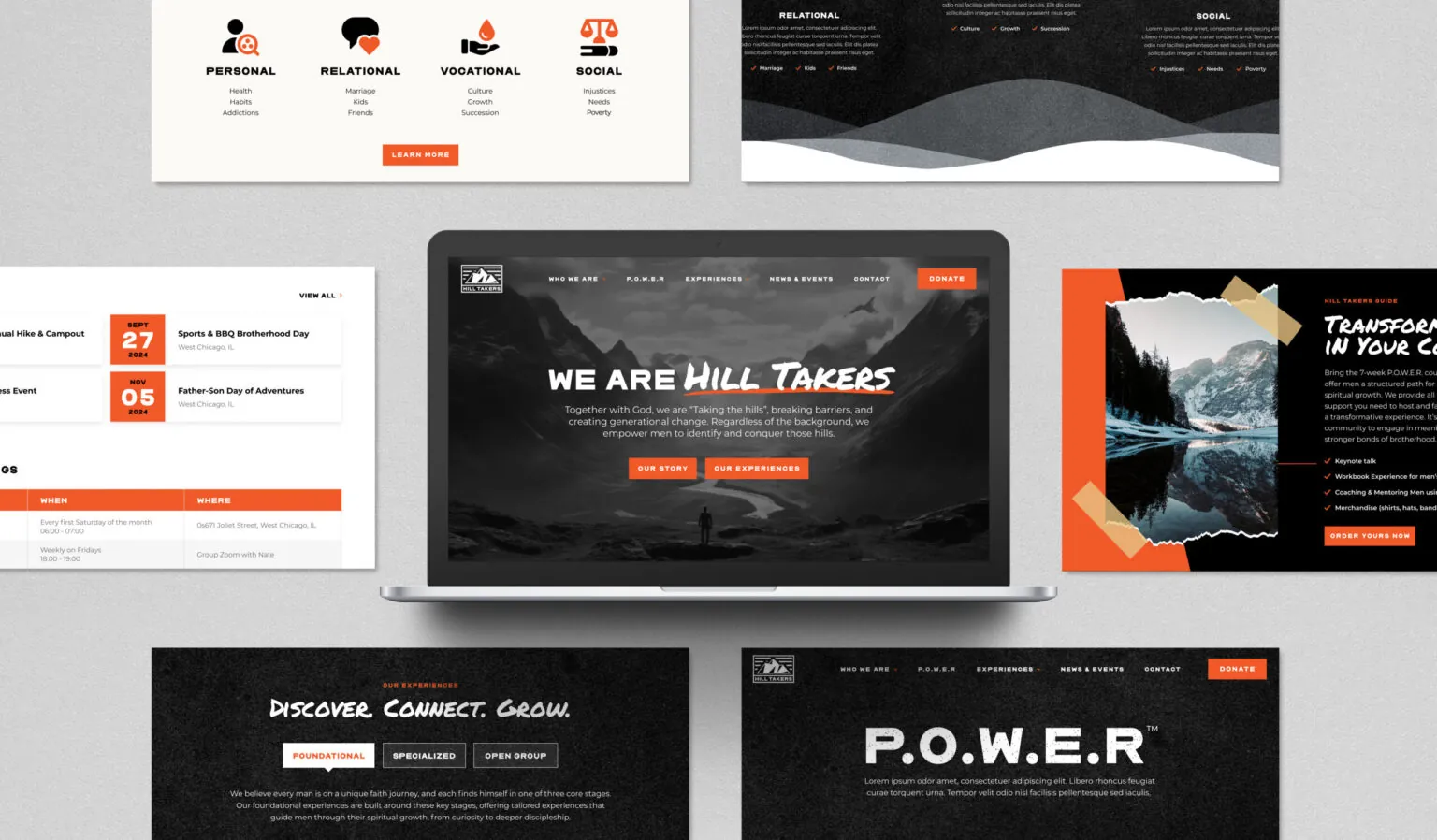
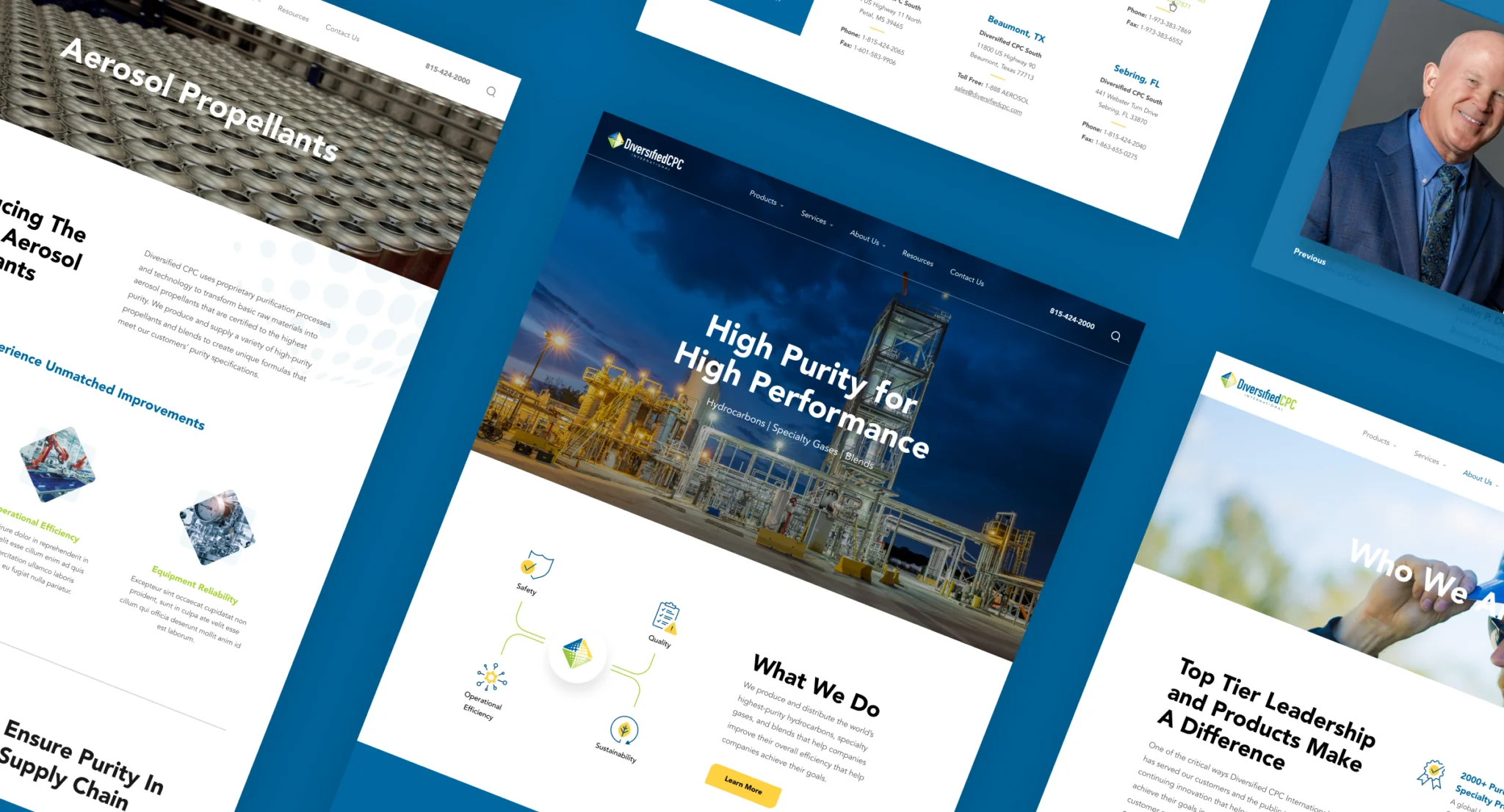
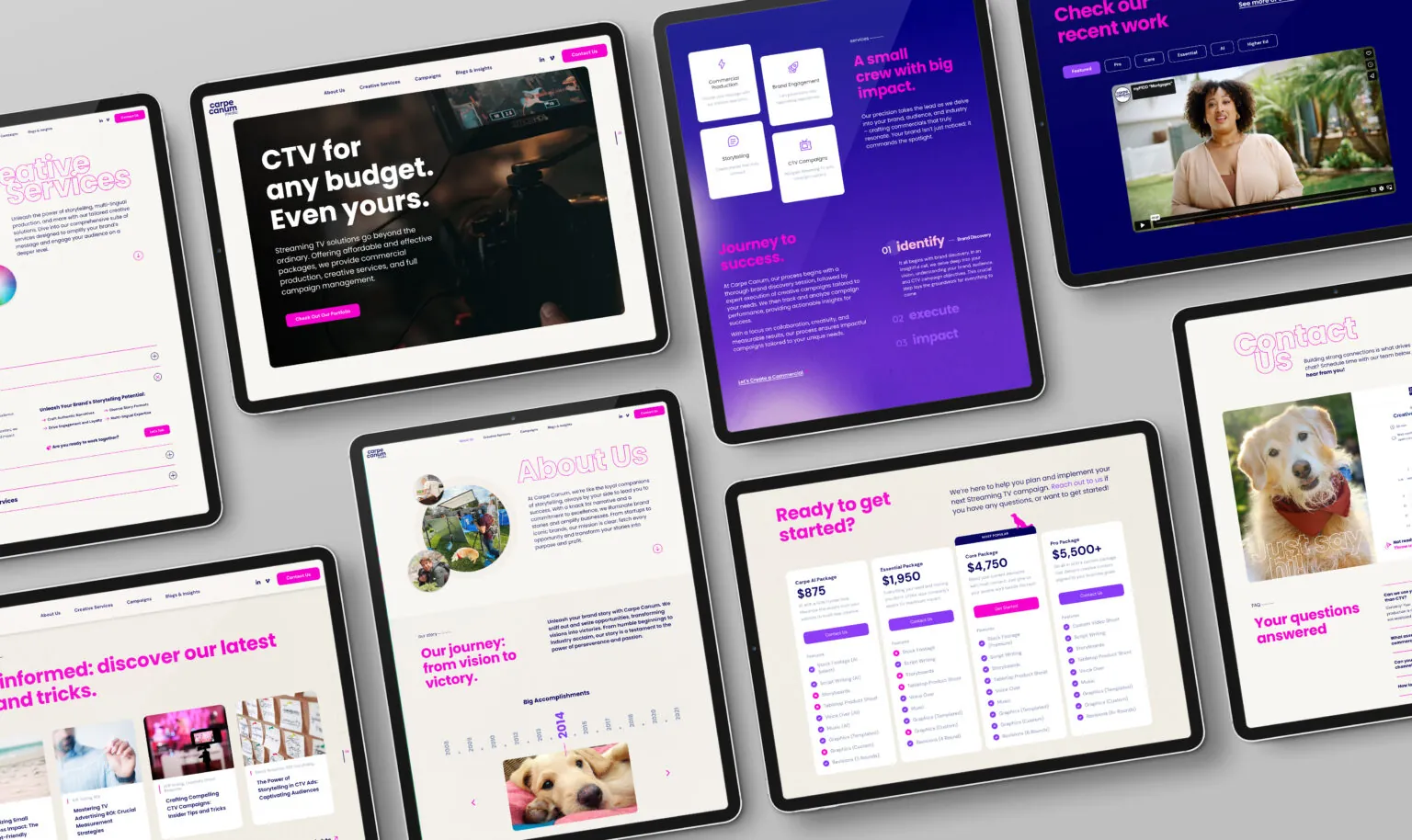
Visual identity matters because it shapes how the business is perceived at a glance. But a brand identity should do more than provide a logo. It should create a fuller visual system that helps the company feel consistent across the website, presentations, marketing materials, proposals, and customer-facing assets.
A stronger identity system often includes:
- a clearer logo and logo usage system
- consistent typography and color direction
- visual rules that support brand recognition
- supporting design elements that feel intentional
- better alignment between the website and other materials
Related identity resources include:
When the identity system is stronger, the business feels more established because it is presented with more consistency everywhere people encounter it.
Rebranding Becomes Necessary When the Business Has Outgrown Its Current Brand
Sometimes the right move is not just refining the existing brand. It is rethinking it more substantially. Rebranding becomes valuable when the current identity, message, or market position no longer reflects the company clearly enough. That may happen after growth, a shift in services, a move upmarket, or a change in audience expectations.
Rebranding often makes sense when:
- the current brand feels tied to an earlier stage of the company
- services have changed significantly
- the business is moving into more competitive or premium markets
- the current brand creates trust problems or confusion
- the website no longer feels aligned with the company’s direction
Related rebranding resources include:
For many businesses, rebranding is not about change for its own sake. It is about reducing the gap between what the company has become and how it is perceived.
Branding and Web Design Need to Work Together
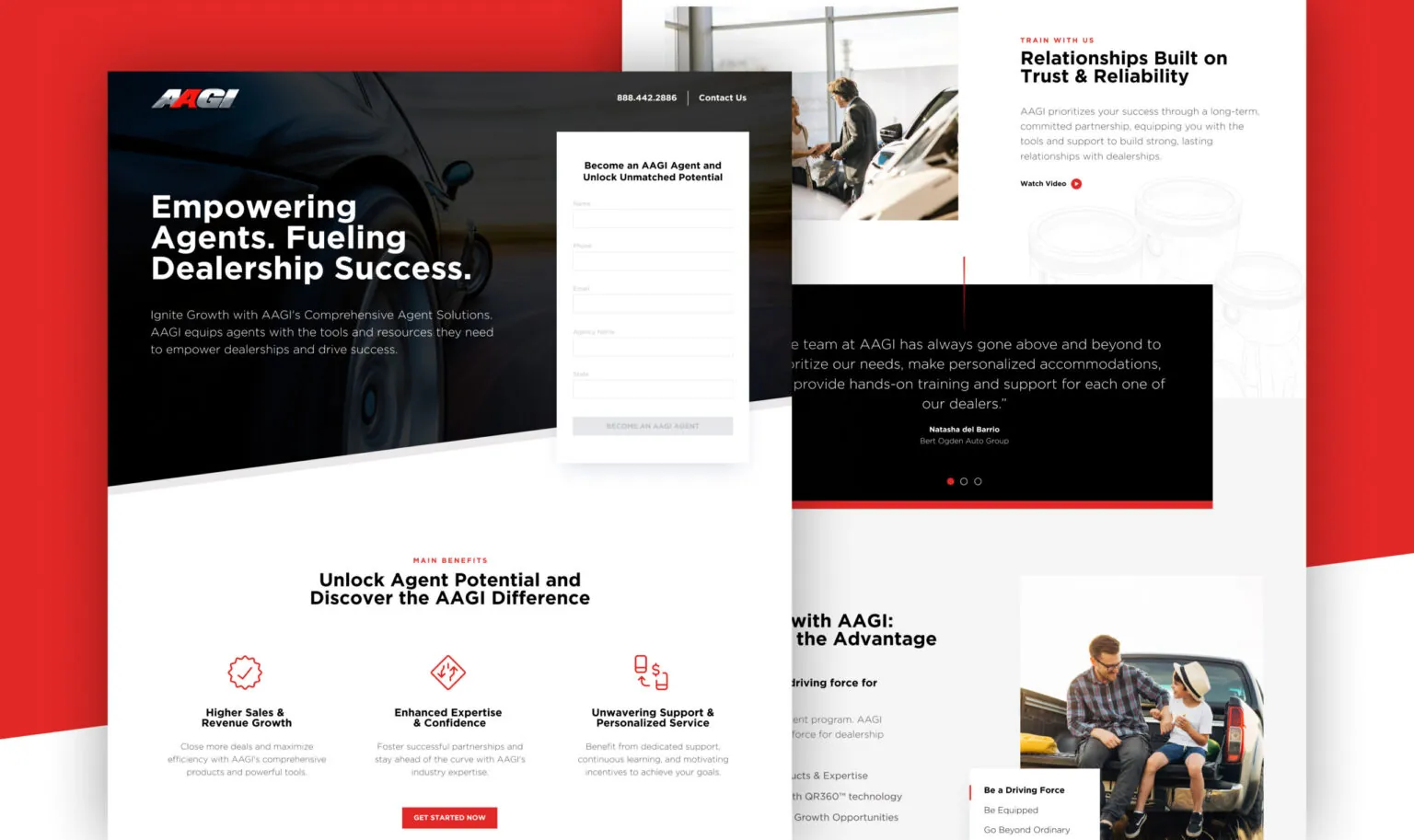
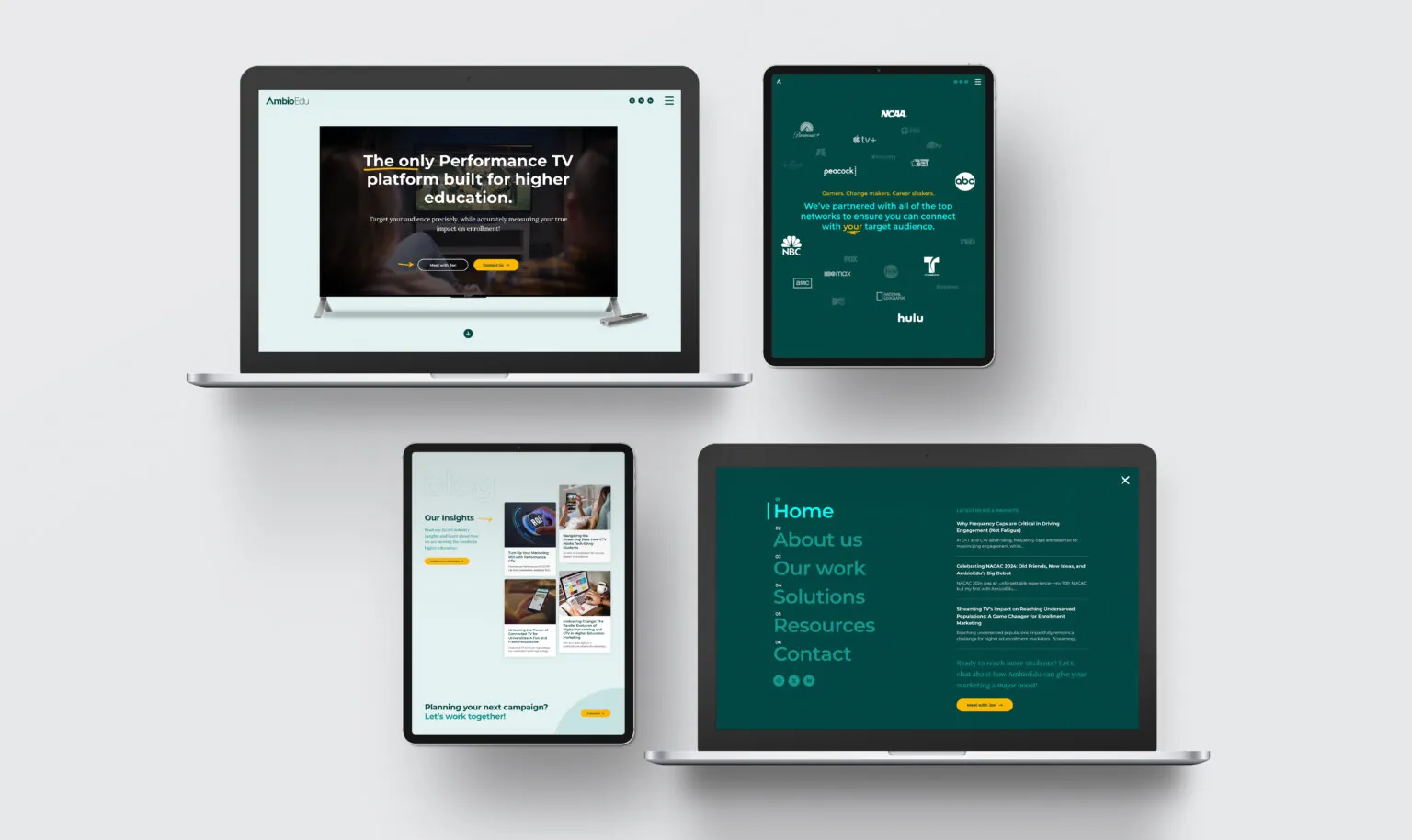
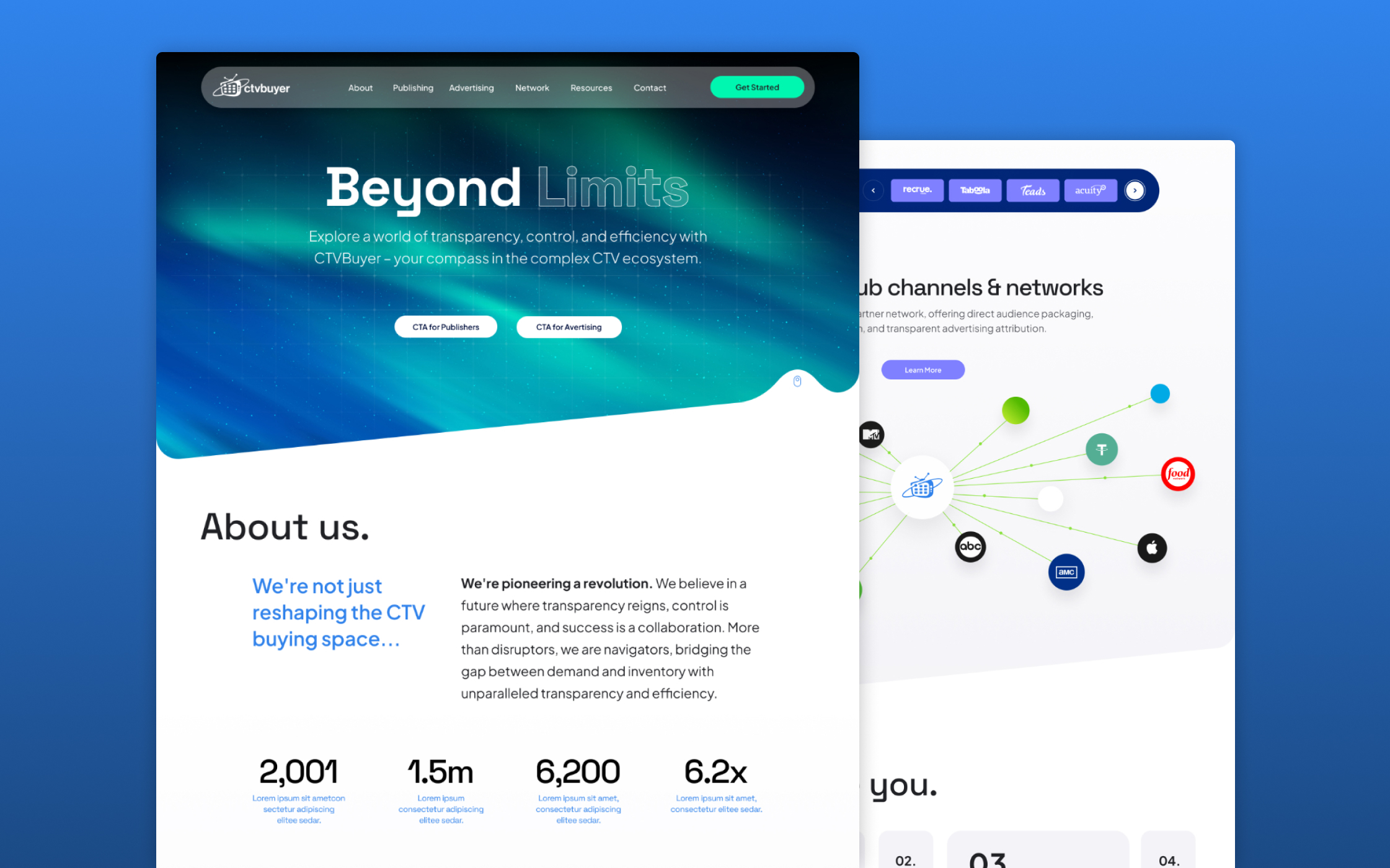
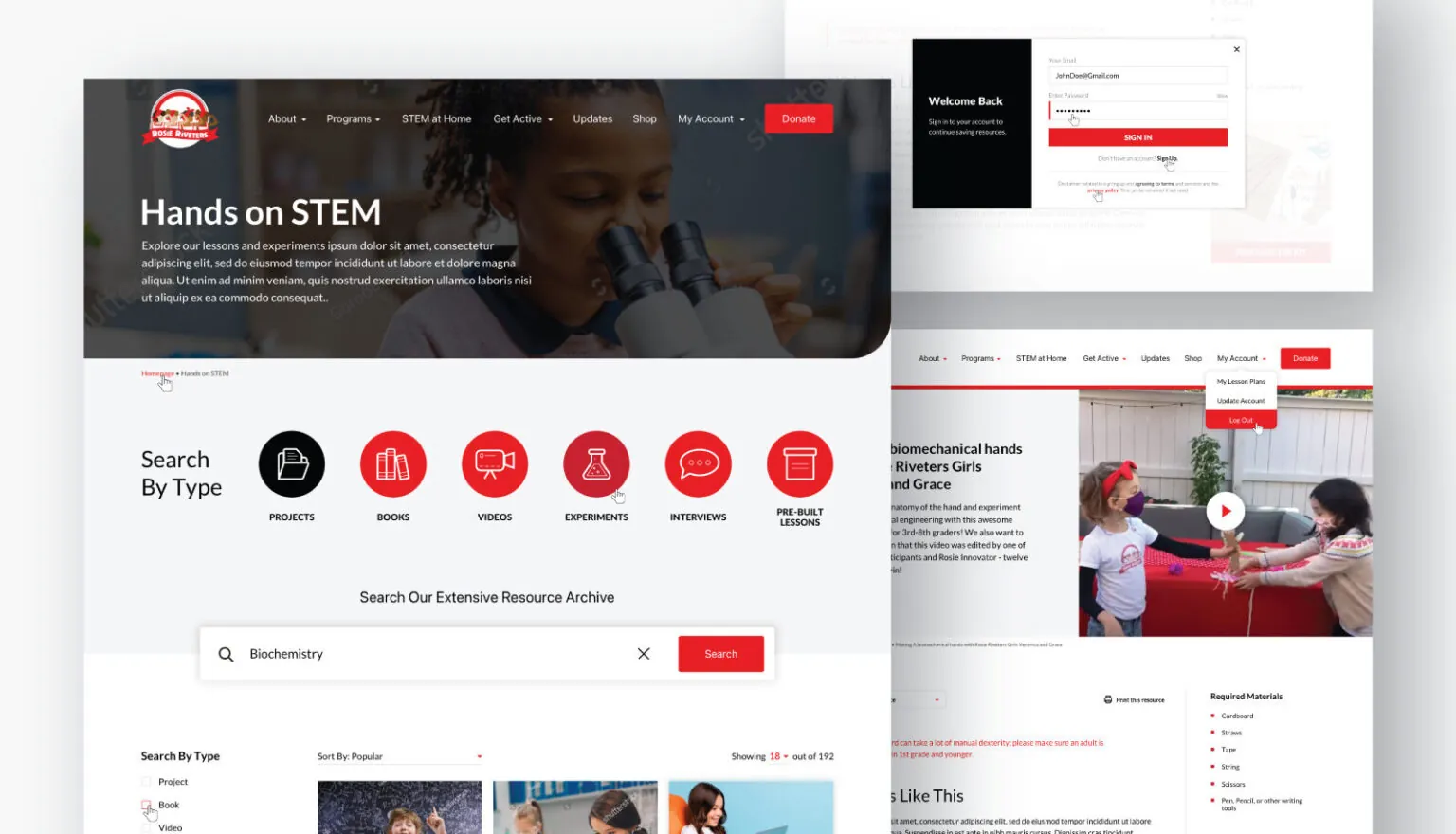
Branding and web design are closely connected. A website can only communicate clearly if the brand behind it is clear enough to guide the structure, message, and presentation. At the same time, even a strong brand can feel weaker if the website does not express it well enough.
That is why strong branding often needs to connect directly to:
- website hierarchy and messaging
- visual consistency across key pages
- clearer calls to action and user flow
- supporting graphics and brand presentation
- a more credible digital experience overall
Related website resources include:
For many Indianapolis businesses, stronger branding is what makes the website finally feel like it matches the level of the company behind it.
Branding Supports SEO More Than Most Businesses Expect
Branding also affects search performance. Search growth is easier to support when the website has clearer messaging, more specific service language, stronger differentiation, and a more credible overall presentation. Search visibility may bring people to the site, but branding influences whether the business feels worth trusting once they arrive.
That is why stronger branding often supports:
- clearer service-page language
- better topic and content consistency
- stronger trust signals across the website
- more confidence in local and regional market positioning
- content that reflects real expertise instead of generic claims
Related SEO resources include:
As search evolves, clarity and trust matter even more. That means branding now plays an even bigger role in how useful the website is as a search asset.
How Indianapolis Market Context Shapes Branding
Indianapolis is not one uniform market. Some businesses are competing in the downtown core. Others serve northside growth markets, westside logistics corridors, southside communities, or broader Central Indiana territory. That affects how a brand should present itself and what kind of trust signals the market responds to most strongly.
Businesses exploring local market context may also review:
For businesses serving multiple parts of the metro or a broader regional footprint, branding needs to feel consistent enough to hold together across markets while still supporting local relevance.
Industries That Often Need Stronger Branding
Some industries feel the value of branding more quickly than others. This is especially true when trust, authority, differentiation, and a more considered buying process play a major role in how customers evaluate providers.
We often work with businesses in industries such as:
- healthcare and medical
- manufacturing and industrial
- professional services
- financial services
- construction and engineering
- regional growth-focused B2B businesses
Explore more on our Industries We Serve in Indianapolis page.
Related Indianapolis Branding and Website Resources
If you are comparing branding, positioning, and website support in Indianapolis, these related pages may help you evaluate the project more clearly:
Why Rawcut Creative
Rawcut Creative approaches branding as more than a visual exercise. We use strategy, messaging, identity, and website thinking together to help businesses present themselves more clearly and grow with more consistency. The goal is not just a better-looking brand. It is a brand that makes the company easier to understand, easier to trust, and more prepared for what comes next.
For businesses in Indianapolis, that means branding built to support clearer positioning, stronger digital presentation, and more meaningful long-term growth. If the business feels stronger than the brand surrounding it, this is often where the gap starts to close.
Start a Conversation With Rawcut Creative →
Explore All Rawcut Creative Capabilities →