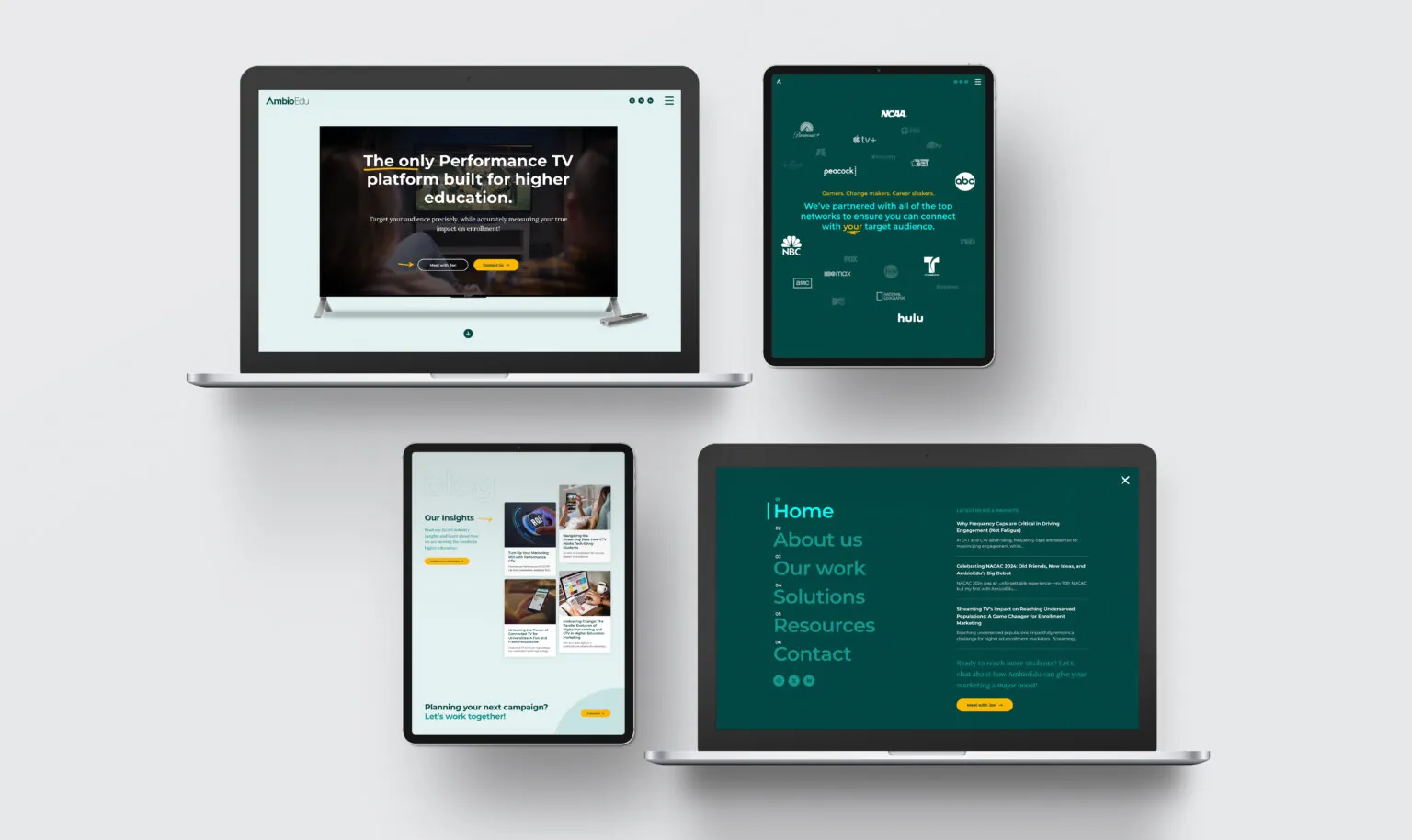
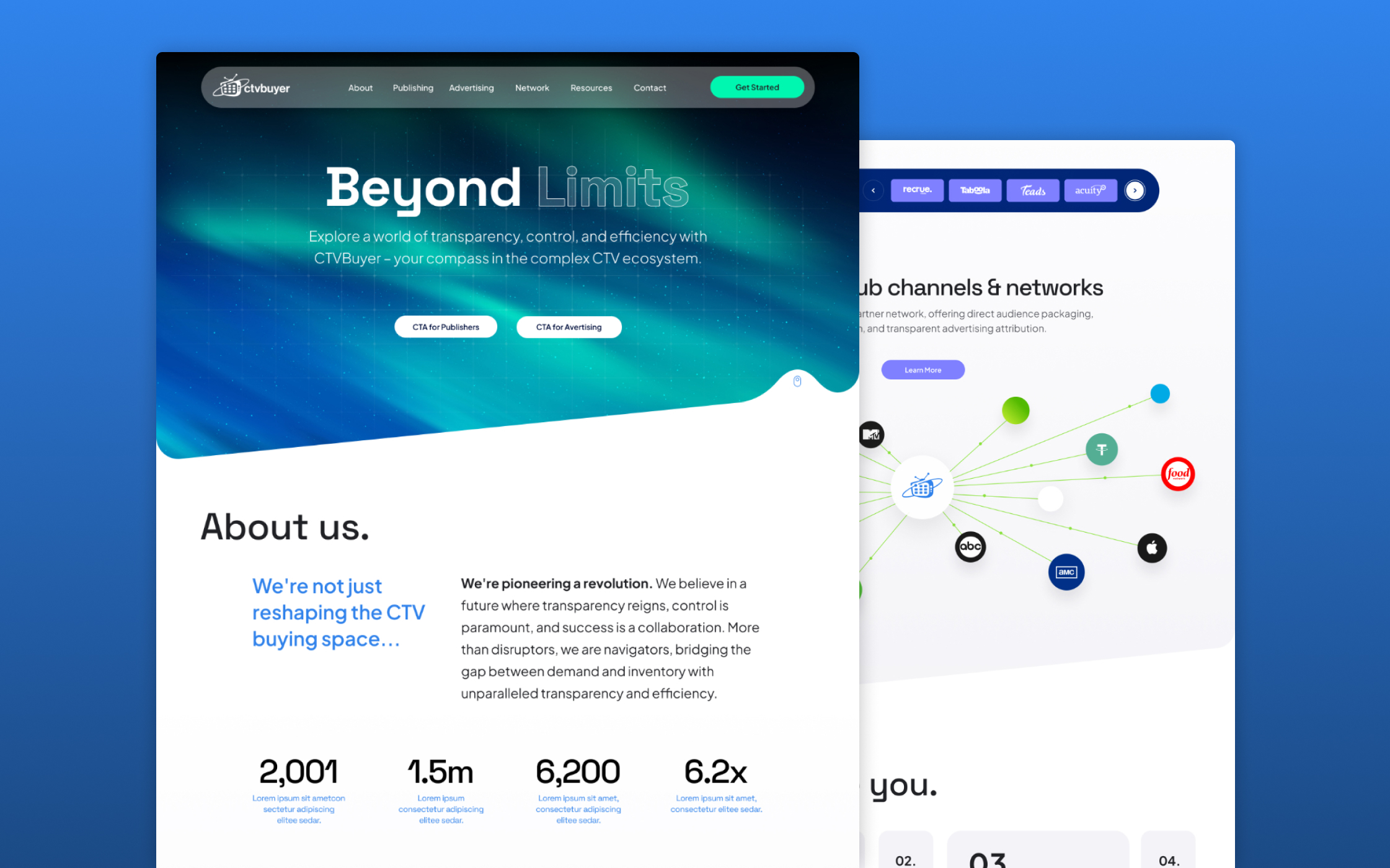
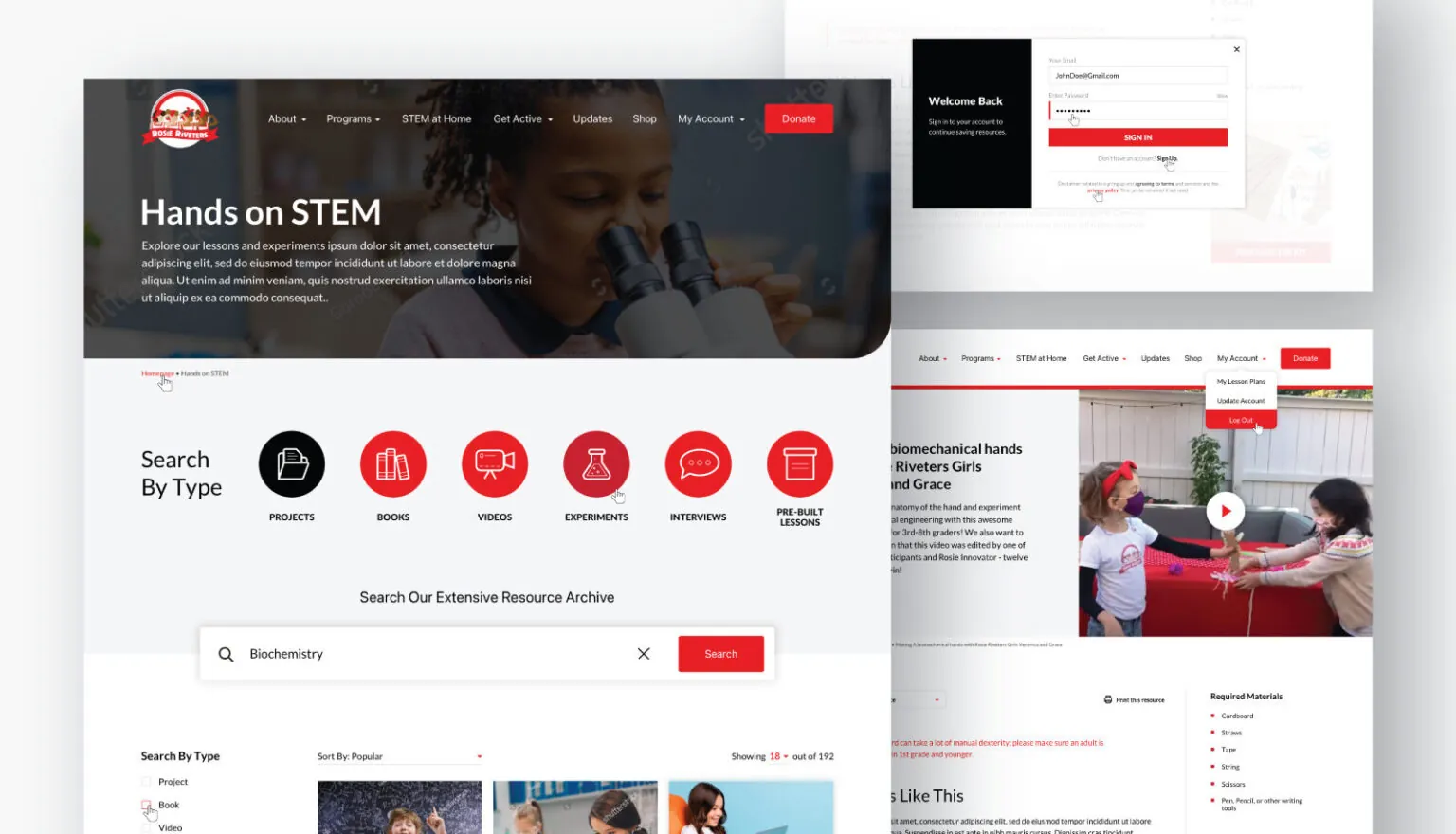
Why Technology Websites Matter
Technology companies often have to explain products, services, or systems that are not immediately obvious to every visitor. Prospective customers may arrive with very different levels of familiarity, from highly informed buyers to people just beginning their research.
A strong website helps visitors:
- understand what the company offers
- see how the solution solves a problem
- evaluate the credibility of the business
- take the next step toward a conversation or demo
Because technology buying decisions can involve multiple stakeholders, the website often needs to support both education and conversion at the same time.
Common Challenges for Technology Websites
Many technology companies struggle with websites that try to say too much without making the core value clear. Messaging can become overly technical, product pages can feel difficult to navigate, and visitors may leave without fully understanding why the solution matters.
Common challenges include:
- unclear product or service messaging
- too much jargon too early
- confusing navigation
- weak conversion paths
- outdated visual presentation
These issues often make a business look less established than it really is. A more thoughtful website structure can dramatically improve how the company is perceived.
What Strong Technology Websites Need
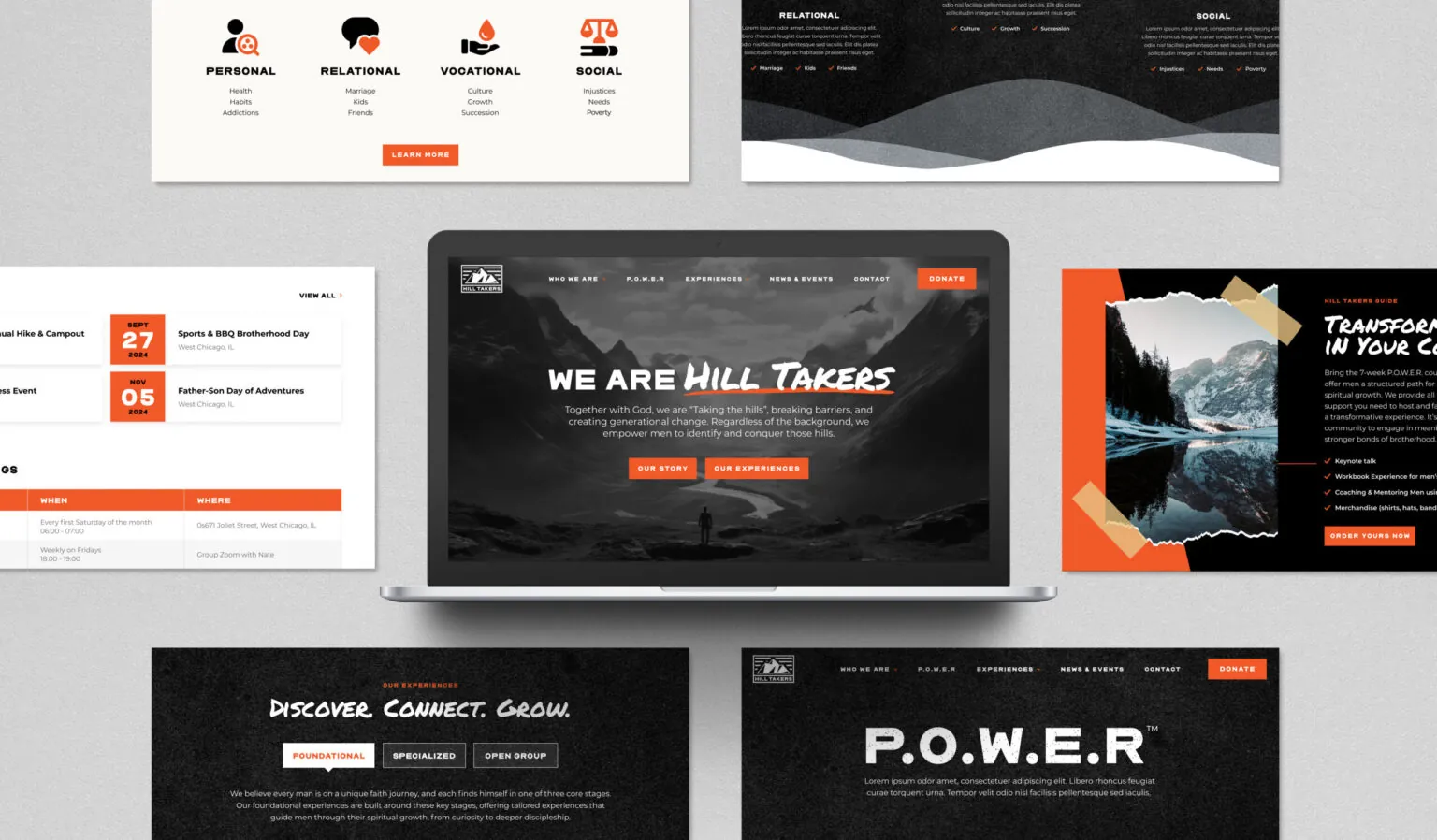
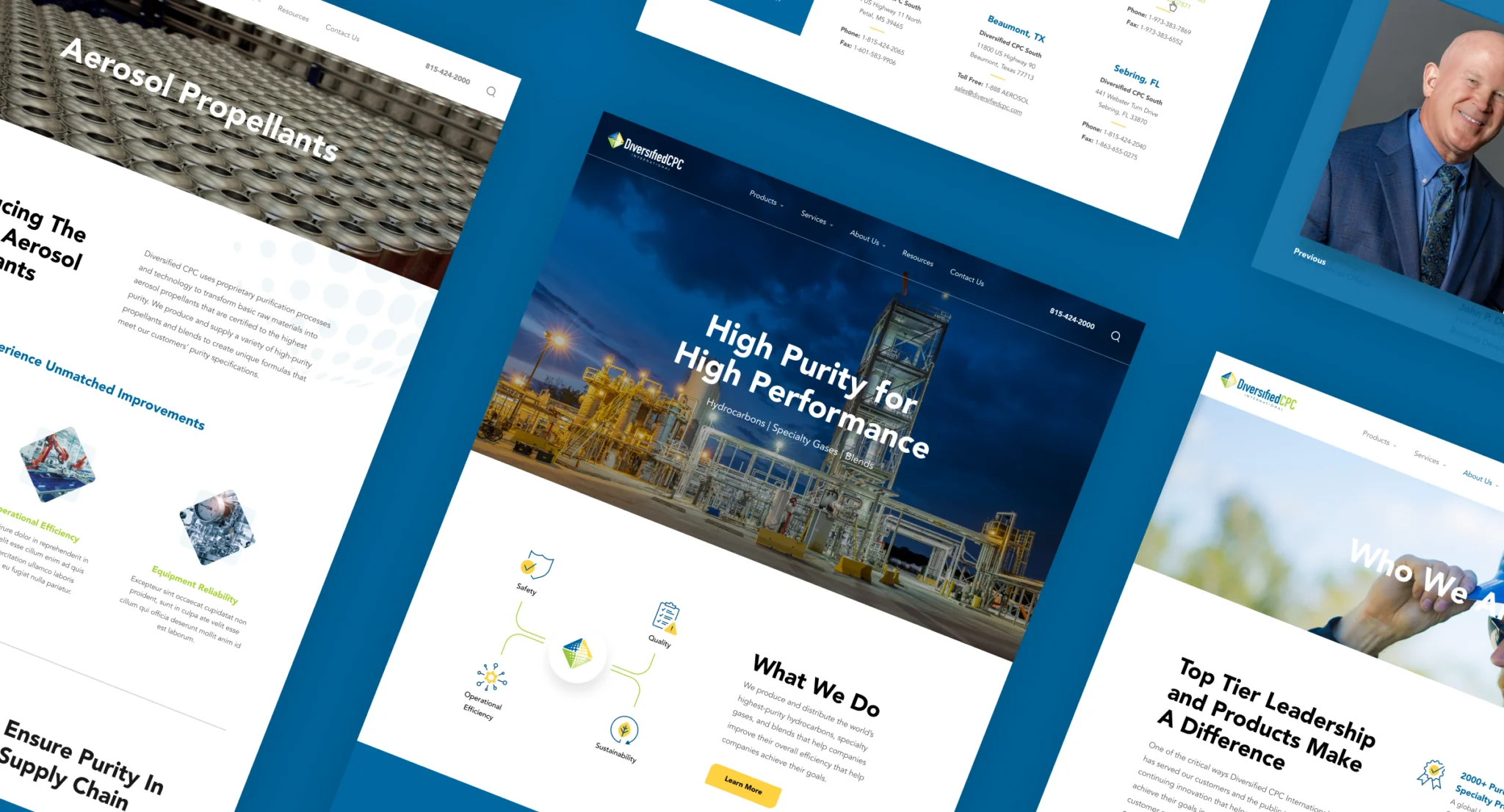
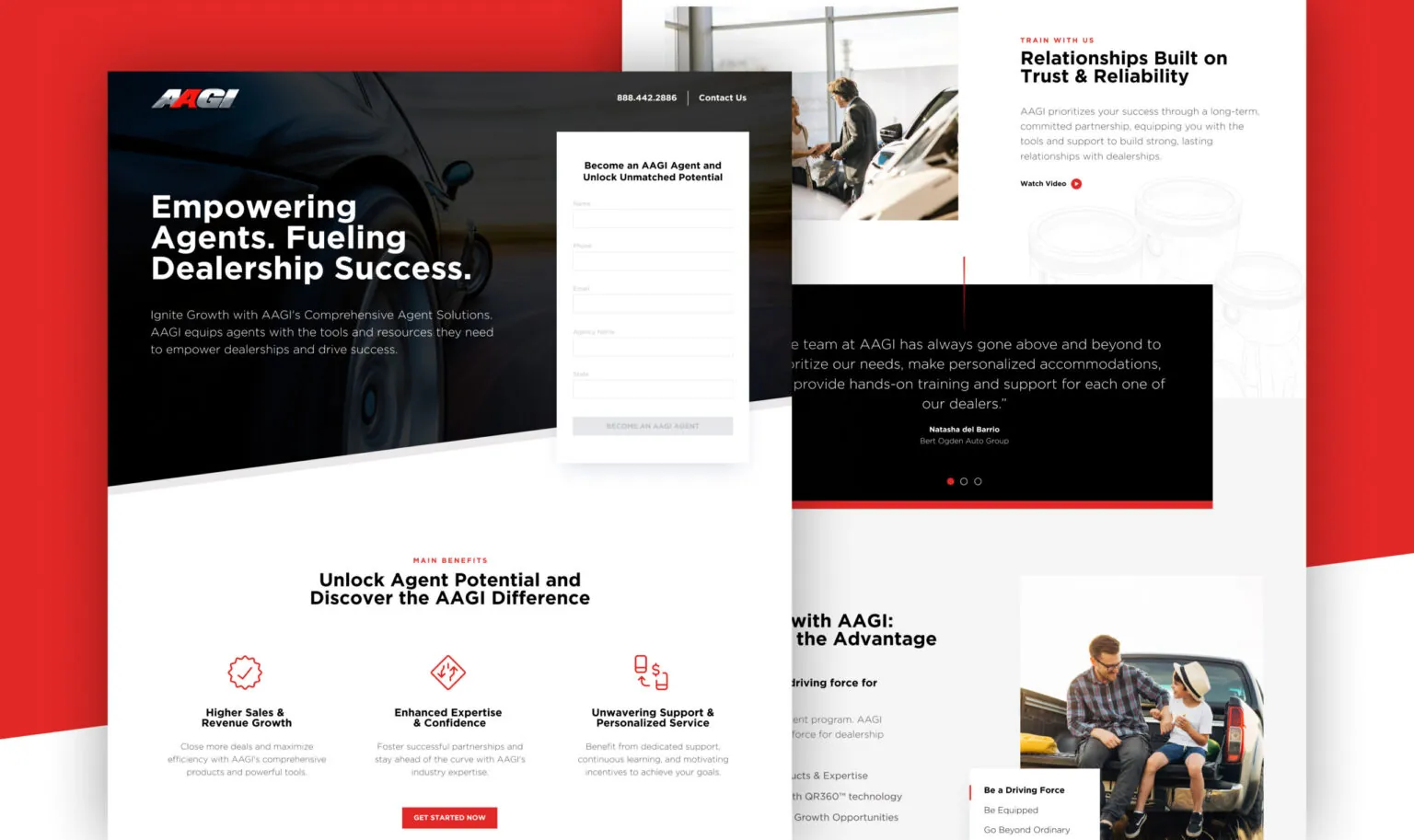
Effective technology websites make complex information easier to understand without oversimplifying the value of the solution. Visitors should be able to quickly answer a few important questions: what the company does, who it helps, what problem it solves, and why it is different.
Strong technology websites typically include:
- clear descriptions of products or services
- structured pages that guide visitors logically
- strong credibility signals
- clear calls to action
- page layouts that support both education and conversion
These elements help move visitors from curiosity to confidence.
User Experience for Technology Companies
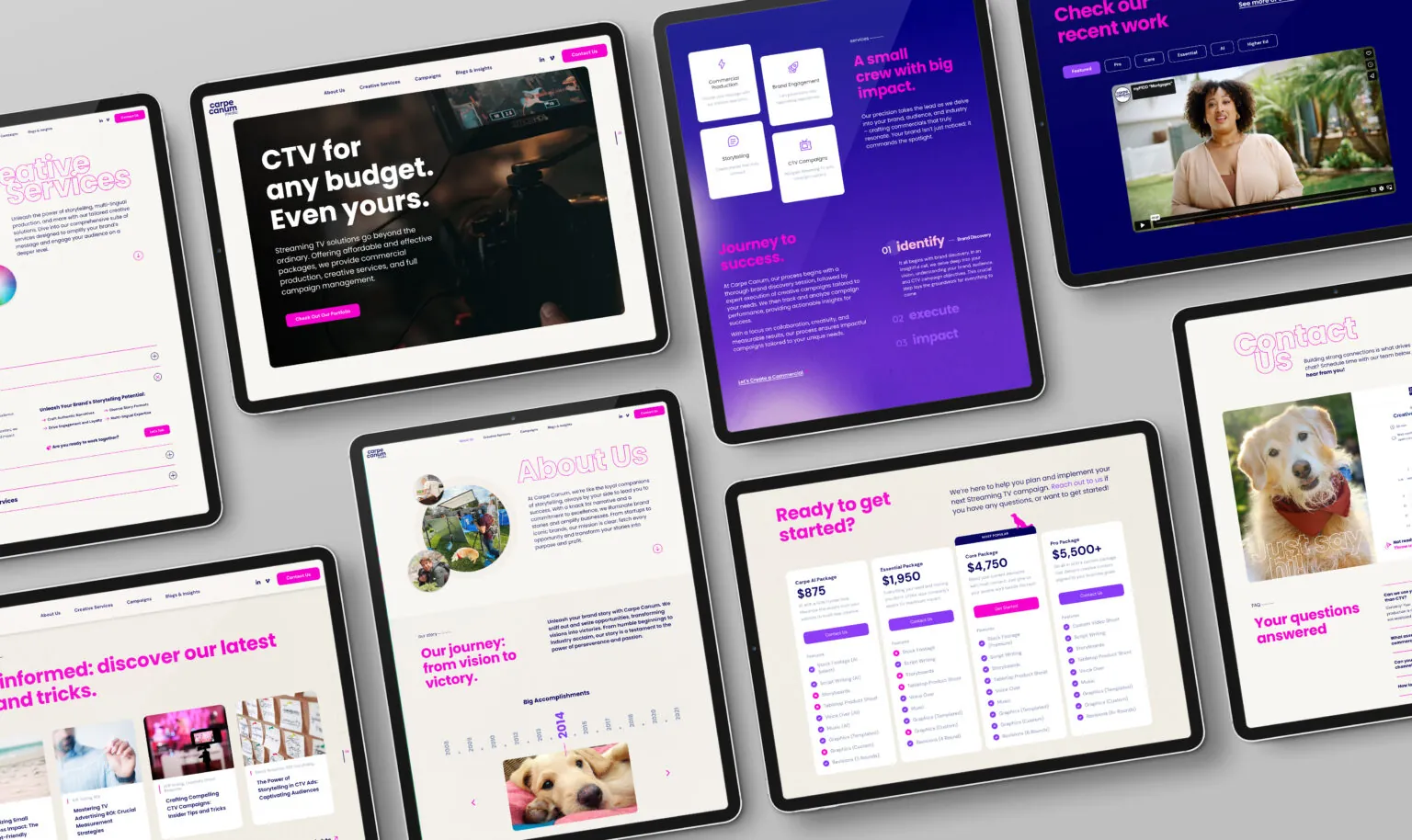
User experience plays a major role in technology websites because visitors are often evaluating multiple providers at once. If a website feels difficult to navigate or overwhelming to read, the visitor may leave before understanding the product or service.
Strong user experience often focuses on:
- predictable navigation
- scannable page layouts
- clear content hierarchy
- simple paths toward booking a demo or contacting sales
When the website makes information easier to absorb, it becomes much easier for prospects to stay engaged.
Learn more in our Conversion-Focused Web Design guide.
Website Architecture for Technology Businesses
Technology companies often have multiple offerings, audiences, and use cases. A structured website architecture helps organize these elements clearly so visitors can find what matters most to them.
Typical technology website architecture may include:
- product or platform overview pages
- individual solution or feature pages
- industry or use-case pages
- resource or educational content
- demo, consultation, or contact pages
When the architecture is well planned, the website becomes easier to navigate and more useful for both visitors and search engines.
Learn more in our Website Architecture guide.
Messaging and Positioning
One of the most important jobs of a technology website is turning complex ideas into clear communication. Visitors do not need every technical detail immediately. They need to understand why the product or service matters and whether it is relevant to their needs.
Strong messaging often focuses on:
- clear statements of value
- problem-solution framing
- language that speaks to real customer needs
- clear differentiation from competitors
When the messaging is easier to understand, the website becomes much more effective as a sales and marketing tool.
Technology Website Redesign
Many technology businesses begin exploring a redesign when their current website no longer matches the maturity of the company or fails to explain the offering clearly.
A redesign can improve:
- clarity of positioning
- organization of products or services
- lead generation pathways
- mobile usability
- overall brand credibility
Many companies also redesign their site after a rebrand, product expansion, or shift in target market.
If your company is evaluating a redesign, these resources may help:
WordPress for Technology Websites
Many technology companies use WordPress because it provides flexibility for marketing teams while still supporting custom design and scalable content structures.
WordPress can support:
- marketing-driven product pages
- resource libraries and educational content
- landing pages for campaigns
- future website expansion as the business grows
For companies that need strong content control without sacrificing flexibility, WordPress can be a practical long-term platform.
Learn more in our Custom WordPress Website Design guide.
Technology Web Design Across Local Markets
Rawcut Creative works with technology companies across multiple markets. Businesses in these regions often rely on their websites to communicate value clearly and support growth.
Each city page provides additional information about local markets and services.
Related Resources
If you are planning a new technology website or redesign, these resources may help guide your decision.
Why Rawcut Creative
Rawcut Creative designs websites that help businesses communicate clearly, support growth, and create stronger digital experiences. By combining thoughtful strategy, user experience planning, and disciplined development, we build websites that are designed to perform over time.
For technology companies, that means websites that make complex ideas easier to understand while supporting lead generation and long-term scalability.