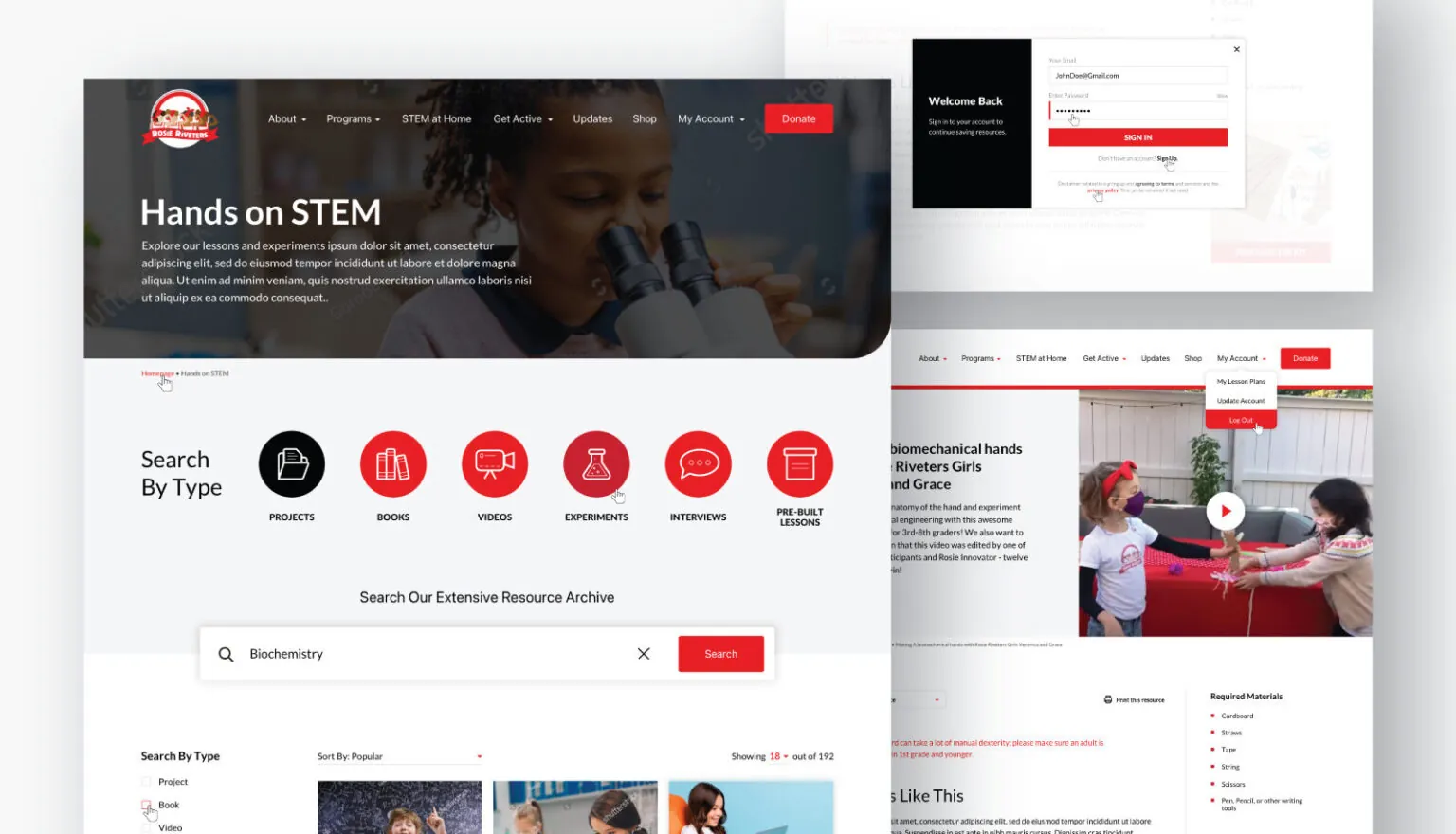
Why the Web Design Process Matters
Without a clear process, website projects often become fragmented. Design decisions happen without strategy, development begins before structure is defined, and the final result may look updated but still fall short in usability or performance.
A structured process helps ensure:
- the website reflects real business goals
- services are organized clearly
- users can navigate the site easily
- design supports communication rather than distracting from it
- the site can grow and evolve over time
For many Los Angeles businesses, this clarity is what separates a website that simply looks better from one that actually performs better.
Phase 1: Discovery and Planning
The process begins by understanding the business, its services, and what the website needs to accomplish. This phase helps define direction before any design or development begins.
This often includes:
- reviewing the current website (if one exists)
- understanding services and priorities
- identifying target audiences
- clarifying business goals for the website
This stage is especially important for Los Angeles businesses that serve multiple audiences, locations, or service categories. Clear planning helps avoid confusion later and creates a stronger foundation for the rest of the project.
Phase 2: Website Structure and Architecture
Once the direction is clear, the next step is organizing how the website will be structured. This includes defining pages, grouping services, and creating a logical flow for users.
This phase focuses on:
- page hierarchy and organization
- navigation structure
- how users move through the site
- alignment between services and pages
Strong structure helps visitors find what they need quickly and understand the business without confusion. It also supports long-term growth by making it easier to add content or expand the site over time.
To explore this further, visit Website Architecture.
Phase 3: User Experience Direction
Before visual design begins, the focus shifts to how users will interact with the website. This includes planning page layouts, content flow, and how visitors move toward key actions.
This phase often includes:
- defining layout direction for key pages
- planning how content will be presented
- identifying conversion pathways
- reducing friction in user journeys
In Los Angeles, where visitors often make quick decisions, user experience plays a major role in whether someone stays on the site or moves on. Clear, intuitive design helps guide visitors naturally toward the next step.
Learn more at Website User Experience.
Phase 4: Visual Design
With structure and user experience defined, visual design brings the website to life. This phase focuses on how the site looks while supporting clarity and usability.
This often includes:
- designing page layouts
- refining visual hierarchy
- aligning design with the brand
- ensuring readability and consistency
The goal is not just to create a modern look. It is to build a design that reinforces the business’s credibility and makes information easier to understand.
For businesses that need additional visual support, this phase may also connect with Los Angeles graphic design.
Phase 5: Development
Once design is approved, the website moves into development. This is where the site is built, functionality is implemented, and the design becomes a working platform.
This phase typically includes:
- building page templates and layouts
- implementing responsive design
- integrating content
- configuring functionality and features
Many Los Angeles businesses choose WordPress web design during this phase because it provides flexibility and long-term control over the site.
Phase 6: Testing and Refinement
Before launch, the website is reviewed and tested to ensure everything works as expected. This helps identify issues early and improves overall quality.
This often includes:
- checking usability across devices
- reviewing navigation and page flow
- testing forms and functionality
- refining small details
This phase helps ensure the website feels polished and consistent before it goes live, which is especially important in competitive markets where first impressions matter.
Phase 7: Launch and Post-Launch Support
Once testing is complete, the website is launched. However, launch is not the end of the process. It is the beginning of how the site performs in the real world.
Post-launch support may include:
- monitoring performance
- making adjustments based on feedback
- adding or refining content
- ongoing updates and improvements
For many businesses, this phase is where the website begins to evolve and support broader marketing and growth efforts.
How the Process Supports SEO
The web design process also plays a role in how the site supports search visibility. When structure, content, and performance are considered early, the website is better positioned to support long-term SEO.
This often includes:
- clear page structure
- organized service content
- logical internal navigation
- technical performance considerations
Businesses exploring SEO alongside web design often review:
Considering SEO during the process helps avoid major changes later and creates a stronger foundation for growth.
What Los Angeles Businesses Often Need From the Process
Most businesses do not just need a finished website. They need a clear path from where they are now to a site that supports their next stage of growth.
That often involves questions like:
- How should services be structured so they are easier to understand?
- What should change about the current site?
- How can the website support better lead flow?
- What platform makes the most sense long term?
- How should the site be prepared for future growth?
A structured process helps answer these questions early so the final website is built with intention rather than guesswork.
Los Angeles Market Context
Businesses in Los Angeles often operate across multiple neighborhoods, industries, and service areas. That complexity can influence how the website should be structured and how clearly it communicates services.
To explore local context, visit:
These pages help connect the web design process to the specific markets a business may be serving.
Industries We Serve in Los Angeles
Different industries often require different approaches during the web design process. A professional services firm may focus on clarity and authority. A healthcare organization may prioritize trust and accessibility. A technology company may need stronger product communication. A creative business may emphasize visual storytelling.
Explore Industries We Serve in Los Angeles to learn more.
Related Los Angeles Web Design Resources
If you are exploring website planning in Los Angeles, these pages may help:
These resources help connect planning, design, pricing, and strategy into a clearer next step.
Why Rawcut Creative
Rawcut Creative follows a structured process that helps businesses move from planning to launch with clarity and confidence. Our work combines strategy, user experience, design, and development to create websites that support real business outcomes.
For Los Angeles businesses, that means a process that leads to stronger communication, better performance, and a website built to grow over time.